
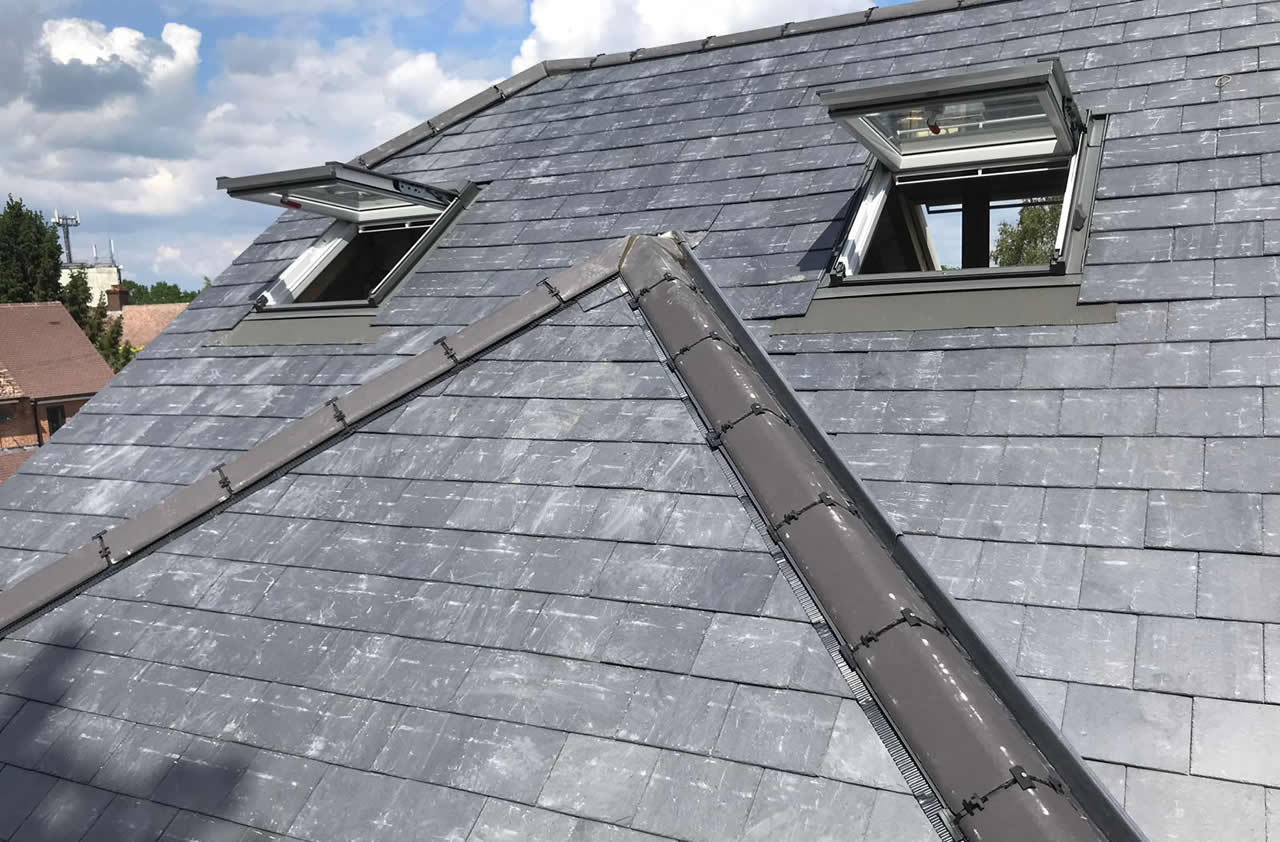
Your roof works constantly. Rain, wind, frost, UV exposure, and temperature extremes — day after day, year after year. It is one of the hardest-working parts of your property, yet it is also among the most neglected in routine maintenance. Most homeowners do not think about their roof until something goes wrong — and by that point, a problem that could have been addressed cheaply has often become a significantly more expensive repair.
The question we are most frequently asked by homeowners is simple: how often should a roof be inspected? The answer depends on several factors, but the general guidance from roofing professionals and the National Federation of Roofing Contractors is clear.
The Short Answer: At Least Once Every Two Years
For most residential properties, a professional roof inspection every one to two years is recommended as a minimum. This frequency allows a qualified roofer to identify the early signs of deterioration — slipped slates, failing leadwork, deteriorating mortar on ridge tiles, cracked flashings, or blocked guttering — before they develop into more serious and more costly issues.
For older properties, period homes, or buildings in exposed locations, annual inspections are a sensible precaution. The same applies to properties that have recently experienced severe weather, such as a particularly harsh winter or significant storm damage.
A professional inspection typically costs far less than the repairs it helps you avoid. Catching a failed flashing early can prevent water ingress that leads to damaged timbers, saturated insulation, and ruined ceilings — repairs that run into the tens of thousands of dollars.
When Should You Arrange an Inspection Outside Your Routine Schedule?
Certain events and circumstances warrant an unscheduled inspection, regardless of when your last one took place.
- After severe weather — high winds, heavy snowfall, or hailstorms can displace slates, damage leadwork, or block guttering
- After purchasing a property, a professional condition survey gives you a clear picture of the roof’s condition and likely lifespan
- If you notice water stains on ceilings or walls, these are often the first visible sign of a roof problem and should be investigated promptly
- If gutters are overflowing or showing signs of persistent blockage, this can cause water to back up under roof coverings
- If you can see visible damage from ground level, slipped or missing slates, sagging ridges, or dislodged chimney pots require immediate attention
- Before planning an extension or loft conversion, understanding the current roof condition is essential before any new structure is attached
What Does a Professional Roof Inspection Involve?
A thorough inspection by a qualified roofing contractor goes well beyond a brief look from ground level. A professional will assess the condition of the roof covering — checking for slipped, cracked, or missing slates or tiles. They will inspect the leadwork and flashings around chimneys, dormers, skylights, and abutments, as these are the most common points of failure. Ridge and hip mortar, verge details, and all bedded elements will be checked for signs of deterioration. The guttering, fascias, and soffits will also be examined, along with any areas of the roof structure that are accessible from the loft.
A written report detailing findings, recommended actions, and an indication of urgency is a valuable outcome of any inspection, providing a clear picture of your roof’s condition and helping you plan maintenance expenditures intelligently over time.
The Cost of Ignoring Routine Inspections
The consequences of neglecting routine roof maintenance are well-documented. A small leak, left undetected, can saturate roof insulation, rot structural timbers, damage plasterwork, and create conditions for mould growth — all of which are far more expensive to rectify than the original roof repair would have been. In older buildings, particularly those with natural slate or clay tile roofs, the condition of the leadwork and underlying structure is critical: by the time internal damage becomes visible, the problem has often been developing for months or years.
Planned maintenance is not just a precaution — it is an investment in the roof’s lifespan and the long-term integrity of the property.
Heritage and Period Properties: Extra Vigilance Required
For owners of Victorian homes, listed buildings, or other period properties, annual inspections are strongly advisable. Traditional roofing materials — natural slate, clay plain tiles, lime mortar, and lead — are durable but require skilled, informed attention when repairs are needed. Inappropriate interventions, such as using modern sand and cement where lime mortar is required, can cause more damage than they prevent. Early identification of issues by a specialist who understands traditional construction allows repairs to be carried out correctly, with appropriate materials, before the problem escalates.
Arrange a Professional Roof Inspection
At Precision Leadwork & Roofing Service Limited, we carry out thorough roof inspections for domestic, commercial, and heritage properties across the region. Our assessments are detailed, honest, and practical — providing you with a clear understanding of your roof’s condition and a prioritised view of any work required.
To arrange an inspection or to discuss your property’s roofing requirements, please get in touch with our team.


