Frequently Asked Questions
What are the benefits of using zinc roofing?
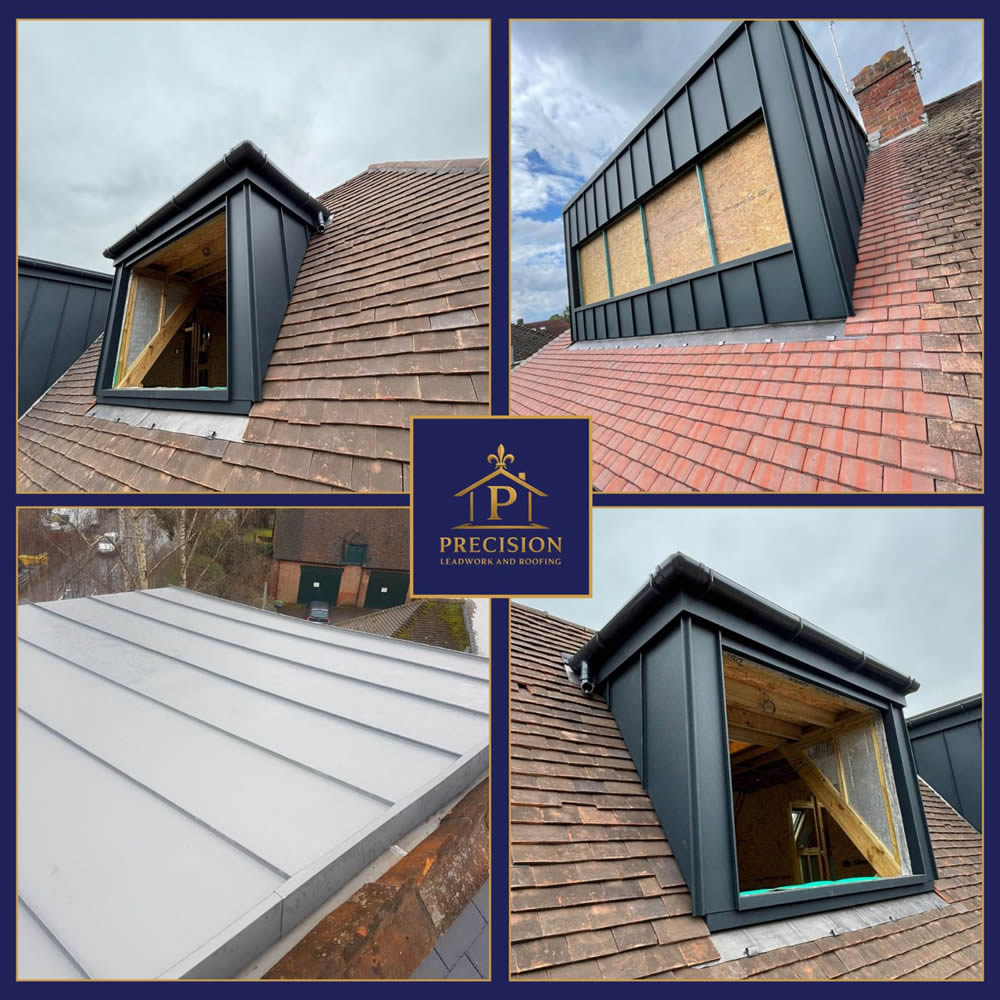
The benefits of using zinc roofing include its durability, low maintenance requirements, and resistance to corrosion. Additionally, zinc is environmentally friendly, offers excellent aesthetic appeal, and can last over 100 years, making it a cost-effective choice for both residential and commercial projects.
How does metal roof cladding compare to traditional roofing materials?
Metal roof cladding offers several advantages over traditional roofing materials, including superior durability, lower maintenance requirements, and enhanced energy efficiency. Additionally, it provides a modern aesthetic and is often more environmentally friendly due to its recyclability.
What types of metal roofing systems are available for residential projects?
The types of metal roofing systems available for residential projects include standing seam roofs, corrugated metal panels, and metal shingles. Each option offers durability, aesthetic appeal, and excellent weather resistance, making them ideal for various architectural styles.
What are the advantages of zinc roofing?
The advantages of zinc roofing include its exceptional durability, lightweight nature, and resistance to corrosion. Additionally, zinc is environmentally friendly, requires minimal maintenance, and can be easily shaped for bespoke designs, making it a versatile choice for both residential and commercial projects.
How durable is metal roof cladding?
The durability of metal roof cladding is exceptional. Zinc and copper materials are resistant to corrosion, weathering, and UV exposure, ensuring a long-lasting solution for both residential and commercial properties. Proper installation further enhances their lifespan and performance.
What styles of metal roofing systems exist?
The styles of metal roofing systems include standing seam, corrugated panels, and tile profiles. Each offers unique aesthetic and functional benefits, making them suitable for various architectural designs and applications.
Can zinc roofing withstand harsh weather conditions?
Zinc roofing can withstand harsh weather conditions effectively. Its natural resistance to corrosion and ability to expand and contract with temperature changes make it an ideal choice for durability and longevity in challenging climates.
How does metal cladding enhance building aesthetics?
Metal cladding enhances building aesthetics by offering a sleek, modern appearance and a variety of finishes that can complement any architectural style. Its versatility allows for creative design solutions, adding visual interest and character to both residential and commercial properties.
What maintenance is required for zinc roofs?
The maintenance required for zinc roofs includes regular inspections for debris accumulation, ensuring proper drainage, and cleaning with mild detergents to prevent corrosion. This minimal upkeep helps maintain the roof's longevity and aesthetic appeal.
Are there eco-friendly options for metal roofing?
Eco-friendly options for metal roofing are available, particularly with materials like zinc and copper, which are highly recyclable and have long lifespans. These options contribute to sustainability while providing durable and efficient roofing solutions.
How does installation differ for metal roofing systems?
The installation of metal roofing systems differs significantly from traditional roofing methods due to their lightweight nature and interlocking design, requiring specific techniques for securing panels and ensuring proper water drainage.
What is the lifespan of zinc roofing materials?
The lifespan of zinc roofing materials is typically around 80 to 100 years. With proper installation and maintenance, zinc roofs can provide long-lasting durability and aesthetic appeal for both residential and commercial properties.
How do metal roofs perform in energy efficiency?
Metal roofs excel in energy efficiency by reflecting solar heat, which helps to keep buildings cooler in summer and reduces cooling costs. Their insulation properties further enhance energy savings, making them an eco-friendly choice for both residential and commercial properties.
What are the costs associated with metal roofing?
The costs associated with metal roofing vary based on materials, design complexity, and installation specifics. Generally, zinc and copper options are higher in price but offer long-term durability and reduced maintenance, making them a worthwhile investment.
How does metal roof cladding improve insulation?
Metal roof cladding enhances insulation by creating a thermal barrier that reduces heat loss in colder months and keeps interiors cooler during summer. This efficiency is further improved with proper underlayments and insulation materials, ensuring energy savings and comfort.
What colors are available for zinc roofing?
The available colours for zinc roofing include natural grey, pre-weathered grey, and a variety of custom finishes. These options allow for aesthetic flexibility while maintaining the durability and longevity of zinc as a roofing material.
How does metal roofing affect property value?
The impact of metal roofing on property value is significant. High-quality metal roofs, such as those made from zinc and copper, enhance aesthetic appeal, increase durability, and reduce maintenance costs, making properties more attractive to potential buyers.
What are common misconceptions about metal roofs?
Common misconceptions about metal roofs include the belief that they are noisy during rain, prone to rust, and unsuitable for residential properties. In reality, modern metal roofs are designed for durability, noise reduction, and aesthetic appeal, making them a viable option for any home.
How can I choose the right metal roofing system?
Choosing the right metal roofing system involves considering factors such as material type, design compatibility, and installation requirements. Evaluate your property's needs, climate conditions, and aesthetic preferences to make an informed decision.
What is the installation process for metal cladding?
The installation process for metal cladding involves several key steps: preparing the substrate, installing a moisture barrier, securing the metal panels, and ensuring proper sealing and finishing details to enhance durability and aesthetic appeal.
How does metal roofing compare to asphalt shingles?
Metal roofing offers superior durability and longevity compared to asphalt shingles. While asphalt may require more frequent replacement, metal roofs withstand harsh weather conditions and can last up to 50 years or more, making them a cost-effective choice in the long run.
What are the best practices for metal roof maintenance?
The best practices for metal roof maintenance include regular inspections for damage, cleaning debris from the surface and gutters, checking for rust or corrosion, and ensuring proper drainage to prolong the roof's lifespan and maintain its integrity.
How does weather impact metal roofing longevity?
Weather significantly impacts the longevity of metal roofing. Extreme temperatures, moisture, and UV exposure can cause corrosion and degradation, but high-quality materials like zinc and copper are designed to withstand these conditions, ensuring durability and extended lifespan.
What are the fire resistance ratings of metal roofs?
The fire resistance ratings of metal roofs are typically high, often achieving Class A ratings, which indicate they offer the best protection against fire. This makes them a safe choice for both residential and commercial properties.
How can metal roofing systems reduce noise?
Metal roofing systems can effectively reduce noise by incorporating insulation materials and sound-dampening techniques. These features help to absorb sound, minimising external noise from rain, hail, or wind, resulting in a quieter indoor environment.
What warranties are available for zinc roofing?
Warranties available for zinc roofing typically include manufacturer warranties that cover the material's performance and durability, often ranging from 20 to 50 years, depending on the specific product used and installation quality.
How does metal cladding contribute to sustainability?
Metal cladding contributes to sustainability by utilising recyclable materials like zinc and copper, which have a long lifespan and require minimal maintenance. This reduces waste and energy consumption over time, promoting environmentally friendly building practices.
What are the design options for metal roofing?
The design options for metal roofing include various profiles such as standing seam, corrugated, and flat panels, available in materials like zinc and copper. These options can be customised in colour and finish to suit both modern and traditional architectural styles.
How can I find a qualified metal roofing contractor?
Finding a qualified metal roofing contractor involves researching reputable companies, checking their credentials, such as NFRC accreditation, and reviewing customer testimonials. Additionally, consider their experience with specific materials like zinc and copper for your project.
What are the benefits of standing seam metal roofs?
The benefits of standing seam metal roofs include exceptional durability, weather resistance, and low maintenance requirements. They also offer a sleek, modern aesthetic and superior energy efficiency, making them an ideal choice for both residential and commercial applications.