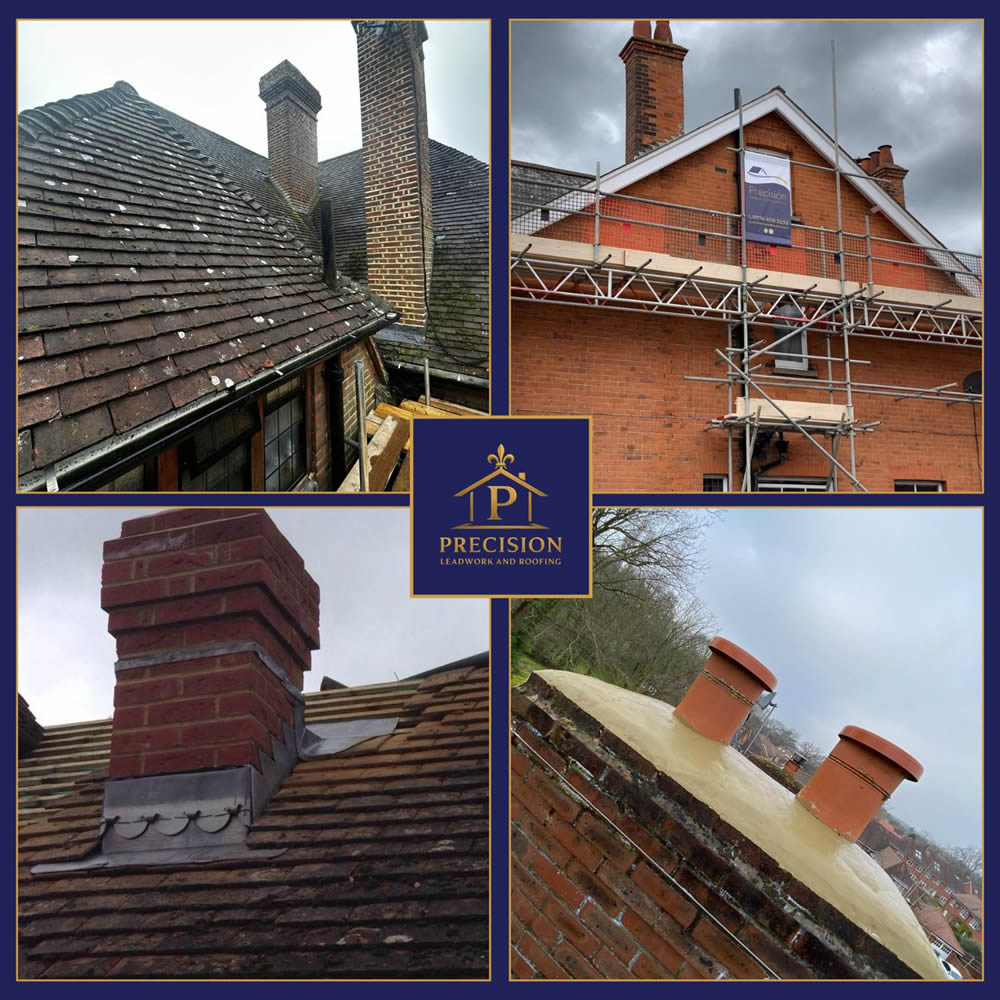
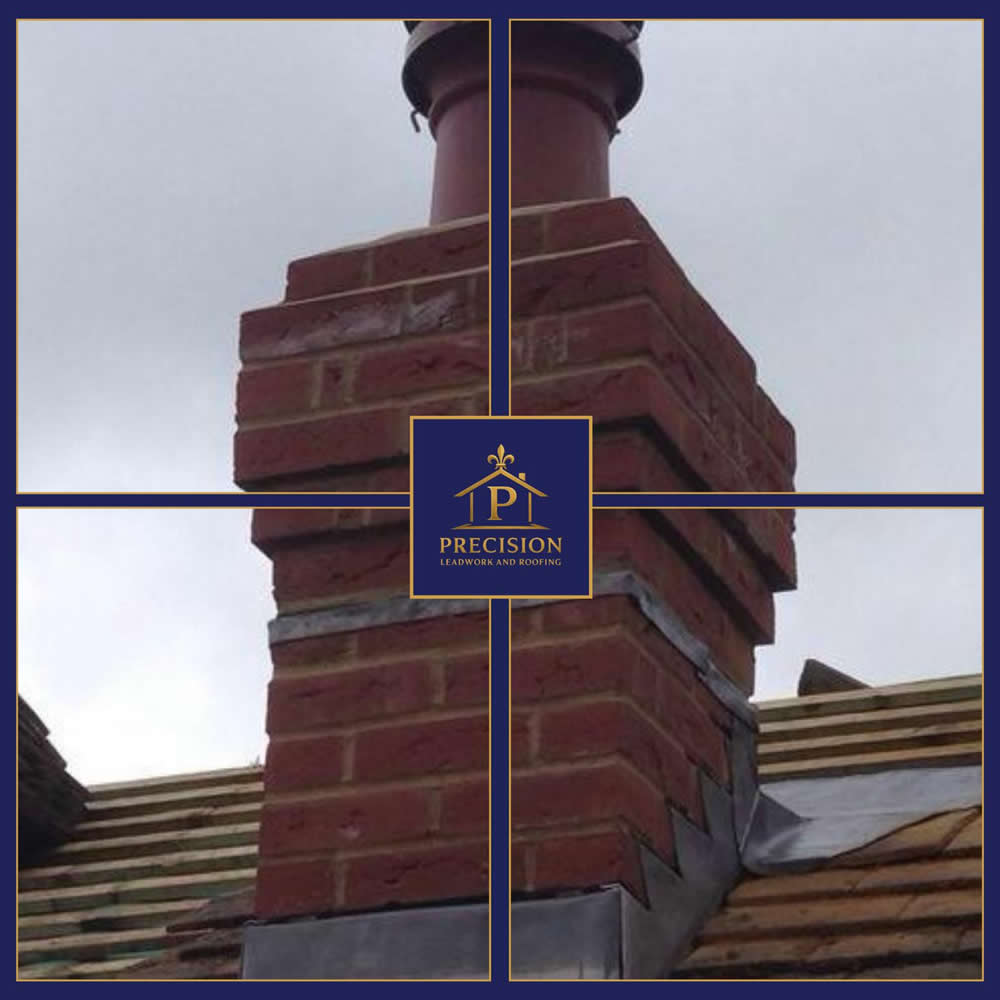
Frequently Asked Questions
What services are offered for chimney repairs?
The services offered for chimney repairs include repointing, lead flashing replacement, structural assessments, and restoration tailored to both domestic and heritage properties, ensuring the preservation of original materials and character.
How can I maintain my chimney effectively?
Effective chimney maintenance involves regular inspections, cleaning to remove soot and creosote, and addressing any visible damage promptly. Additionally, ensure proper flashing and repointing to prevent leaks and preserve the chimney's integrity.
What are the common issues that require chimney restoration?
Common issues that require chimney restoration include cracked or damaged masonry, deteriorating lead flashing, water leaks, and structural instability. These problems can compromise both the functionality and safety of the chimney, necessitating professional intervention.
What types of chimney repairs are available?
The types of chimney repairs available include repointing, lead flashing replacement, and structural assessments, all tailored to maintain the integrity and character of both domestic and heritage properties.
How often should I inspect my chimney?
Chimney inspections should be conducted at least once a year to ensure safety and proper functioning. Regular checks help identify potential issues early, especially for older or heritage properties, maintaining their integrity and preventing costly repairs.
What signs indicate chimney restoration is needed?
Signs that indicate chimney restoration is needed include visible cracks or gaps in the masonry, water stains around the chimney, loose or missing bricks, and the presence of damp or mould inside the property.
Can I perform chimney maintenance myself?
Chimney maintenance can be performed by homeowners, but it is often best left to professionals. Proper assessment and repairs require expertise to ensure safety and preserve the chimney’s integrity, especially in heritage properties.
What materials are used in chimney repairs?
The materials used in chimney repairs typically include high-quality bricks, mortar, lead flashing, and chimney caps. These materials ensure durability, maintain the chimney's structural integrity, and preserve its original character, especially in heritage properties.
How long does chimney restoration typically take?
The duration of chimney restoration typically varies based on the extent of the damage and the specific services required. Generally, it can take anywhere from a few days to several weeks to complete the restoration process.
What is the cost of chimney repair services?
The cost of chimney repair services varies based on the extent of the damage and specific repairs needed. For an accurate estimate, it's best to consult with Precision Leadwork & Roofing Ltd. for a tailored assessment.
Are there warranties for chimney repair work?
Warranties for chimney repair work are available, providing assurance on the quality and longevity of the repairs. At Precision Leadwork & Roofing Ltd., we stand behind our work, offering warranties that reflect our commitment to excellence and customer satisfaction.
How do I choose a chimney repair service?
Choosing a chimney repair service involves considering their experience, accreditation, and expertise in both modern and heritage properties. Look for customer reviews and ensure they offer a comprehensive assessment and tailored solutions for your specific needs.
What is the process for chimney restoration?
The process for chimney restoration involves several key steps: assessing the chimney's condition, identifying necessary repairs, preserving original materials, and executing restoration work such as repointing and lead flashing replacement, all while ensuring compliance with heritage standards.
How can I prevent chimney leaks?
Preventing chimney leaks involves regular maintenance and inspections. Ensure your chimney is properly sealed, check for damaged flashing, and keep the flue clean to avoid blockages. Additionally, consider using a chimney cap to protect against rain and debris.
What are the benefits of regular chimney maintenance?
The benefits of regular chimney maintenance include improved safety, enhanced efficiency, and prolonged lifespan of your chimney. Routine checks can prevent costly repairs, ensure proper ventilation, and maintain the aesthetic integrity of heritage properties.
How do weather conditions affect chimney repairs?
Weather conditions significantly affect chimney repairs by influencing the materials used and the timing of the work. Rain, snow, or extreme temperatures can hinder proper installation and curing, potentially leading to further damage if repairs are not conducted under suitable conditions.
What safety measures should I take during repairs?
The safety measures to take during repairs include using appropriate personal protective equipment (PPE), ensuring ladders and scaffolding are secure, and adhering to local regulations. Always assess the workspace for hazards and ensure proper ventilation when working with materials.
How can I identify a qualified chimney contractor?
Identifying a qualified chimney contractor involves checking their credentials, such as NFRC accreditation, experience with heritage properties, and customer reviews. Ensure they offer a detailed assessment and use original materials for repairs to maintain your chimney's character.
What is the importance of chimney flashing?
The importance of chimney flashing lies in its role as a protective barrier against water infiltration. Properly installed flashing prevents leaks around the chimney, safeguarding the structure and maintaining the integrity of both the chimney and the roof.
How does chimney age affect repair needs?
The age of a chimney significantly influences its repair needs. Older chimneys may require more frequent maintenance and restoration due to wear and deterioration of materials, making it essential to assess their condition regularly to ensure safety and functionality.
What are the risks of neglecting chimney repairs?
The risks of neglecting chimney repairs include structural damage, increased fire hazards, and potential carbon monoxide leaks. Failing to address these issues can compromise the safety and integrity of your property, leading to costly repairs and health risks.
How can I improve chimney ventilation?
Improving chimney ventilation involves ensuring proper airflow and reducing blockages. Regularly clean the chimney, check for obstructions, and consider installing a chimney cap to prevent debris accumulation, enhancing overall efficiency and safety.
What inspections are required for chimney restoration?
Inspections required for chimney restoration include a thorough structural assessment to identify damage, checking for flue integrity, evaluating the condition of mortar and bricks, and reviewing lead flashing for leaks.
How do I prepare my chimney for winter?
Preparing your chimney for winter involves several key steps. First, ensure it is inspected and cleaned by a professional to remove any debris and creosote buildup, preventing chimney fires. Additionally, check for any structural issues and consider installing a chimney cap to keep out snow and animals.
What are common chimney repair techniques?
Common chimney repair techniques include repointing to address mortar deterioration, lead flashing replacement to prevent leaks, and structural assessments to ensure stability. These methods help maintain the integrity and safety of both domestic and heritage chimneys.
How can I enhance my chimneys lifespan?
Enhancing your chimney's lifespan involves regular maintenance and inspections. Ensure proper cleaning, check for structural damage, and replace worn materials promptly to preserve its integrity and functionality.
What is the role of chimney liners?
The role of chimney liners is to protect the chimney structure and improve safety by containing flue gases, preventing heat transfer to combustible materials, and reducing the risk of chimney fires. They also enhance the efficiency of the chimney system.
How do I know if my chimney needs repointing?
The signs that your chimney needs repointing include visible cracks in the mortar, loose or crumbling bricks, and water leakage inside your home. Regular inspections can help identify these issues early, ensuring the longevity of your chimney.
What are the environmental impacts of chimney repairs?
The environmental impacts of chimney repairs include the potential for reduced emissions through improved efficiency, the preservation of original materials, and minimising waste by utilising sustainable practices during restoration.
How can I ensure my chimney meets building codes?
Ensuring your chimney meets building codes involves consulting local regulations, conducting regular inspections, and hiring a qualified professional to assess compliance. Regular maintenance and prompt repairs are also essential to uphold safety standards and structural integrity.