Frequently Asked Questions
How can I ensure proper lead flashing installation?
Ensuring proper lead flashing installation involves hiring experienced professionals who understand the specific requirements for your roof type. Regular inspections and maintenance are also essential to prevent leaks and ensure longevity.
What are the benefits of bespoke leadwork for heritage buildings?
The benefits of bespoke leadwork for heritage buildings include enhanced durability, seamless integration with traditional architecture, and superior weather resistance. This tailored approach ensures that the integrity and aesthetic of historic structures are preserved while providing effective protection against the elements.
What services does Precision Leadwork & Roofing Ltd. offer for leadwork?
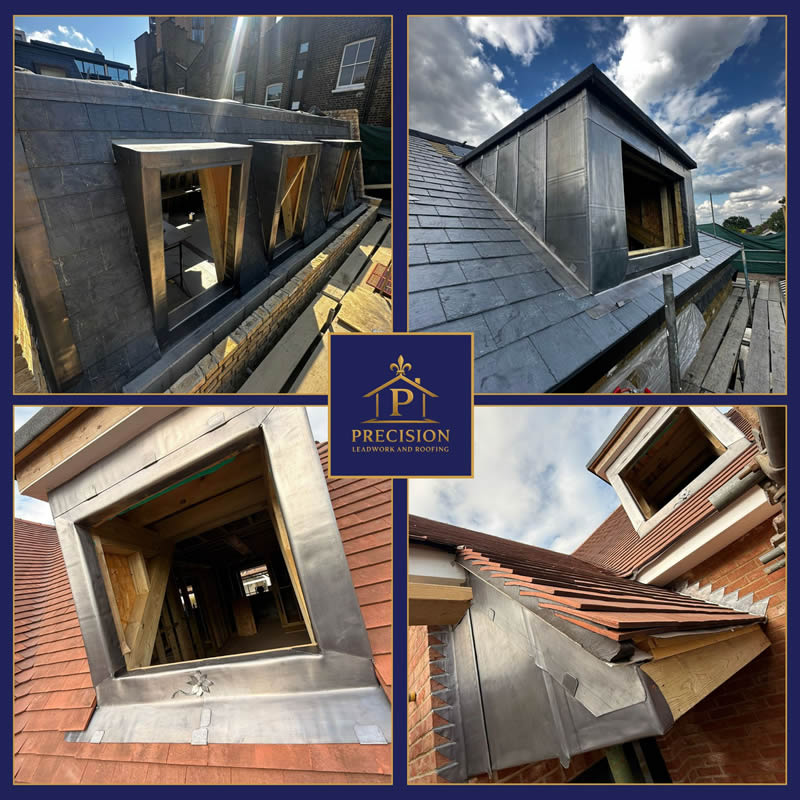
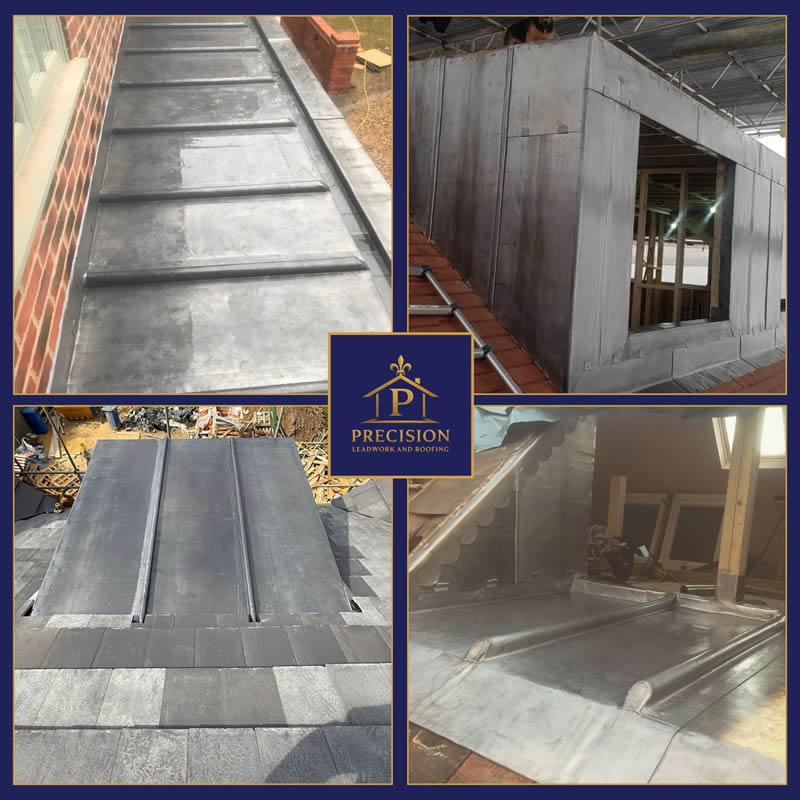
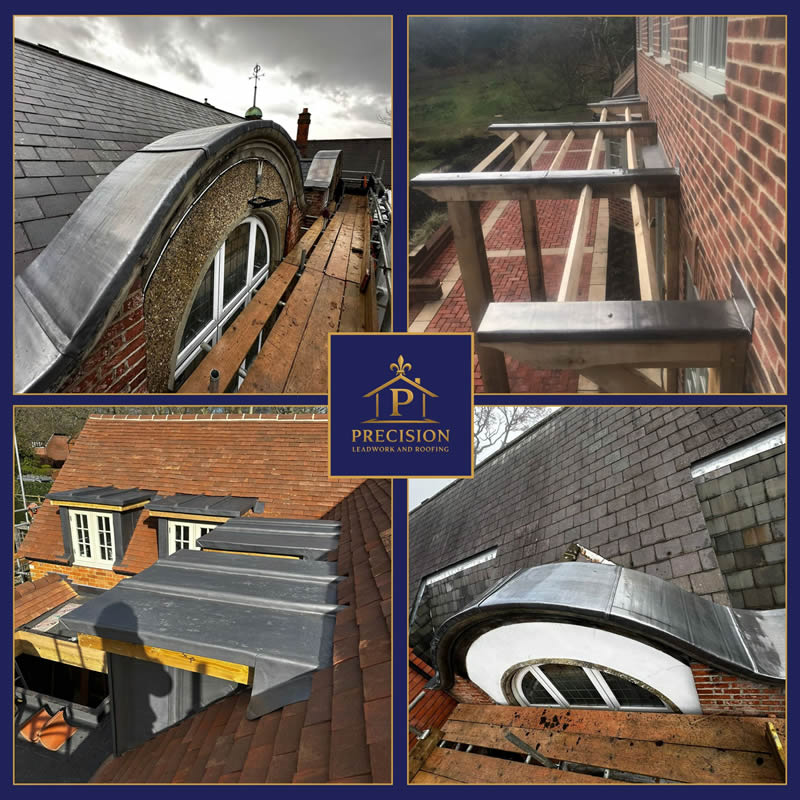
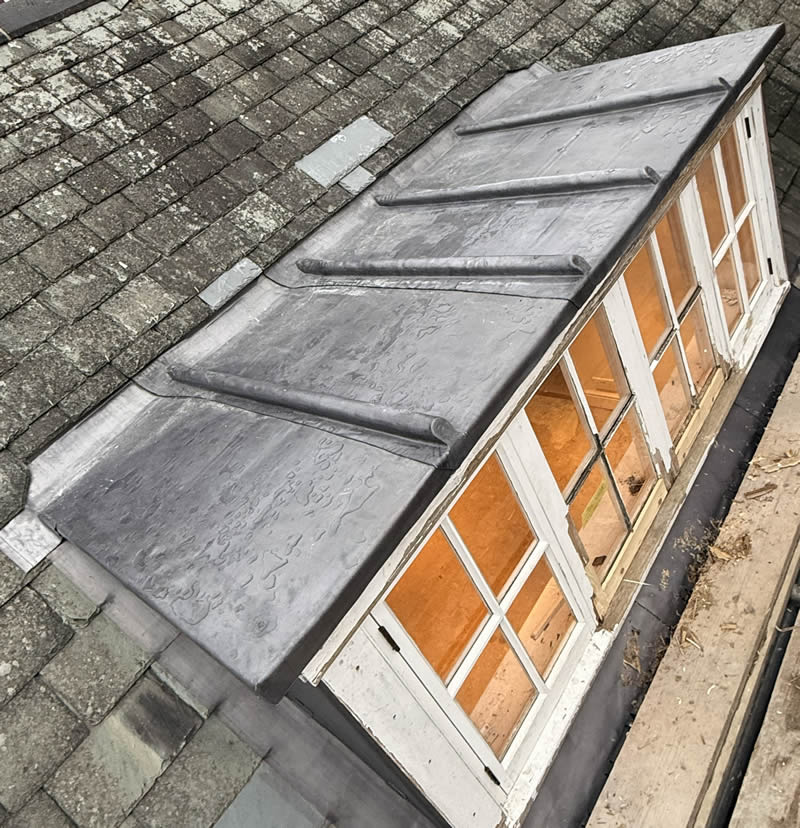
Precision Leadwork & Roofing Ltd. offers a range of specialist leadwork services, including the installation and repair of flashings, valleys, and bespoke lead features, ensuring quality craftsmanship for both heritage and listed buildings.
How does specialist leadwork protect roofs?
Specialist leadwork protects roofs by providing a durable, watertight barrier that prevents water ingress and damage. Its flexibility allows for tailored solutions, ensuring effective drainage and safeguarding heritage properties from the elements.
What should I consider when choosing a leadwork specialist?
When choosing a leadwork specialist, consider their experience with heritage properties, qualifications in leadwork installation, and customer reviews. Ensure they offer bespoke solutions and demonstrate a commitment to quality craftsmanship.
What materials are best for lead flashing?
The best materials for lead flashing are high-quality lead sheets, as they provide excellent durability and flexibility. Alternatives like zinc and copper can also be used, but lead remains the preferred choice for its longevity and effectiveness in protecting roofs.
How is bespoke leadwork crafted for buildings?
Bespoke leadwork for buildings is crafted through meticulous measurement, design, and skilled installation, ensuring that each piece fits seamlessly with the architectural features and requirements of the structure, particularly for heritage and listed properties.
What techniques ensure durable leadwork installation?
The techniques that ensure durable leadwork installation include using high-quality lead, proper jointing methods, and meticulous detailing to prevent water ingress. Additionally, adequate support and ventilation are crucial for longevity, especially in heritage properties.
How does leadwork enhance roof longevity?
Leadwork enhances roof longevity by providing a durable, weather-resistant barrier that effectively prevents water ingress. Its malleability allows for precise installation around complex features, ensuring a seamless fit that protects against leaks and extends the lifespan of roofing materials.
What are common issues with lead flashing?
Common issues with lead flashing include corrosion due to weather exposure, improper installation leading to leaks, and damage from thermal movement. These problems can compromise the integrity of the roof, especially in heritage properties where precision is crucial.
How to maintain bespoke leadwork features?
Maintaining bespoke leadwork features involves regular inspections for signs of wear or damage, ensuring proper drainage to prevent water pooling, and cleaning to remove debris. Prompt repairs by specialists will help preserve the integrity and appearance of these features.
What qualifications should a leadwork specialist have?
The qualifications a leadwork specialist should have include relevant certifications in roofing and leadwork, extensive experience in the field, and a strong understanding of building regulations, especially for heritage properties.
How does leadwork contribute to energy efficiency?
Leadwork contributes to energy efficiency by creating effective seals and barriers that prevent heat loss and water ingress. Properly installed leadwork ensures that roofs maintain optimal insulation, enhancing the overall thermal performance of the building.
What is the process for lead flashing installation?
The process for lead flashing installation involves measuring and cutting lead sheets to fit the specific areas, securing them in place with appropriate fixings, and ensuring proper overlaps and seals to prevent water ingress.
How can I assess leadwork quality?
Assessing leadwork quality involves checking for proper installation techniques, ensuring that seams are tightly sealed, and inspecting for signs of corrosion or damage. It's crucial to verify that materials used are of high standard, especially for heritage properties.
What are the costs associated with bespoke leadwork?
The costs associated with bespoke leadwork vary based on factors such as the complexity of the design, materials used, and the specific requirements of the project. Generally, bespoke leadwork is an investment in quality and durability, particularly for heritage properties.
How does weather affect lead flashing performance?
Weather significantly influences lead flashing performance. Extreme temperatures, moisture, and UV exposure can cause lead to expand, contract, and deteriorate, potentially leading to leaks or damage if not properly installed or maintained.
What are the advantages of lead over other materials?
The advantages of lead over other materials include its durability, malleability, and resistance to corrosion, making it ideal for heritage roofing applications. Lead also provides excellent weatherproofing and can be easily shaped to fit complex architectural details.
How to identify leadwork damage on roofs?
Identifying leadwork damage on roofs involves checking for visible signs such as cracks, corrosion, or missing sections. Additionally, look for water stains or leaks inside the building, which can indicate compromised leadwork integrity.
What is the lifespan of lead flashing?
The lifespan of lead flashing is typically between 50 to 100 years, depending on environmental conditions and installation quality. Proper maintenance can further extend its durability, making it a reliable choice for roofing solutions.
How can bespoke leadwork improve property value?
Bespoke leadwork can significantly enhance property value by ensuring superior craftsmanship and durability, particularly for heritage buildings. High-quality lead features not only protect against water damage but also add aesthetic appeal, making the property more attractive to potential buyers.
What safety measures are needed during leadwork?
The safety measures needed during leadwork include using appropriate personal protective equipment (PPE), ensuring proper scaffolding and fall protection, and conducting risk assessments to mitigate hazards associated with working at heights and handling lead materials.
How to choose the right leadwork design?
Choosing the right leadwork design involves considering the architectural style of your building, the specific roofing needs, and the durability required for the environment. Consulting with a specialist can ensure an aesthetically pleasing and functional outcome.
What are the environmental impacts of leadwork?
The environmental impacts of leadwork include potential soil and water contamination due to lead leaching, as well as the need for careful disposal of lead waste. However, when installed and maintained properly, leadwork can be a durable and sustainable roofing solution, especially for heritage buildings.
How does leadwork installation differ for heritage buildings?
Leadwork installation for heritage buildings differs significantly due to the need for adherence to conservation guidelines and the use of traditional materials and techniques. This ensures that the integrity and historical value of the property are preserved while providing effective waterproofing.
What tools are essential for lead flashing installation?
The essential tools for lead flashing installation include a lead dressing tool, a hammer, a chisel, a measuring tape, and a utility knife. These tools ensure accurate cutting, shaping, and securing of lead materials for effective waterproofing and durability.
How to ensure compliance with leadwork regulations?
Ensuring compliance with leadwork regulations involves adhering to local building codes, using materials that meet industry standards, and obtaining necessary permits. Regular inspections and engaging qualified professionals are also essential to maintain compliance throughout the project.
What are the signs of poor leadwork installation?
The signs of poor leadwork installation include visible leaks, water stains on ceilings or walls, cracked or peeling paint, and improperly fitted lead flashings or valleys. These issues can compromise the integrity of your roof and require immediate attention.
How can I find a reputable leadwork contractor?
Finding a reputable leadwork contractor involves researching local specialists, checking online reviews, and asking for recommendations from previous clients. Ensure they have experience with heritage properties and verify their qualifications and insurance for peace of mind.
What innovations exist in leadwork technology?
Innovations in leadwork technology include the use of advanced alloys for enhanced durability, improved installation techniques that reduce waste and increase efficiency, and the integration of sustainable practices that ensure longevity while preserving the aesthetic integrity of heritage buildings.