Frequently Asked Questions
What roofing solutions are available for house extensions?
The roofing solutions available for house extensions include flat roofs, pitched roofs, and bespoke designs that ensure seamless integration with existing structures. Our expertise guarantees quality materials and installation tailored to your specific needs.
How does the installation process differ for loft conversions?
The installation process for loft conversions differs primarily in structural considerations and integration with existing roofs. It requires careful planning to ensure proper support and ventilation, as well as adherence to building regulations for safety and aesthetics.
What challenges are associated with roofing extensions?
The challenges associated with roofing extensions include ensuring proper integration with existing structures, selecting appropriate materials, and addressing potential drainage issues. Additionally, skilled installation is crucial to prevent leaks and maintain aesthetic consistency.
What materials are best for extension roofing?
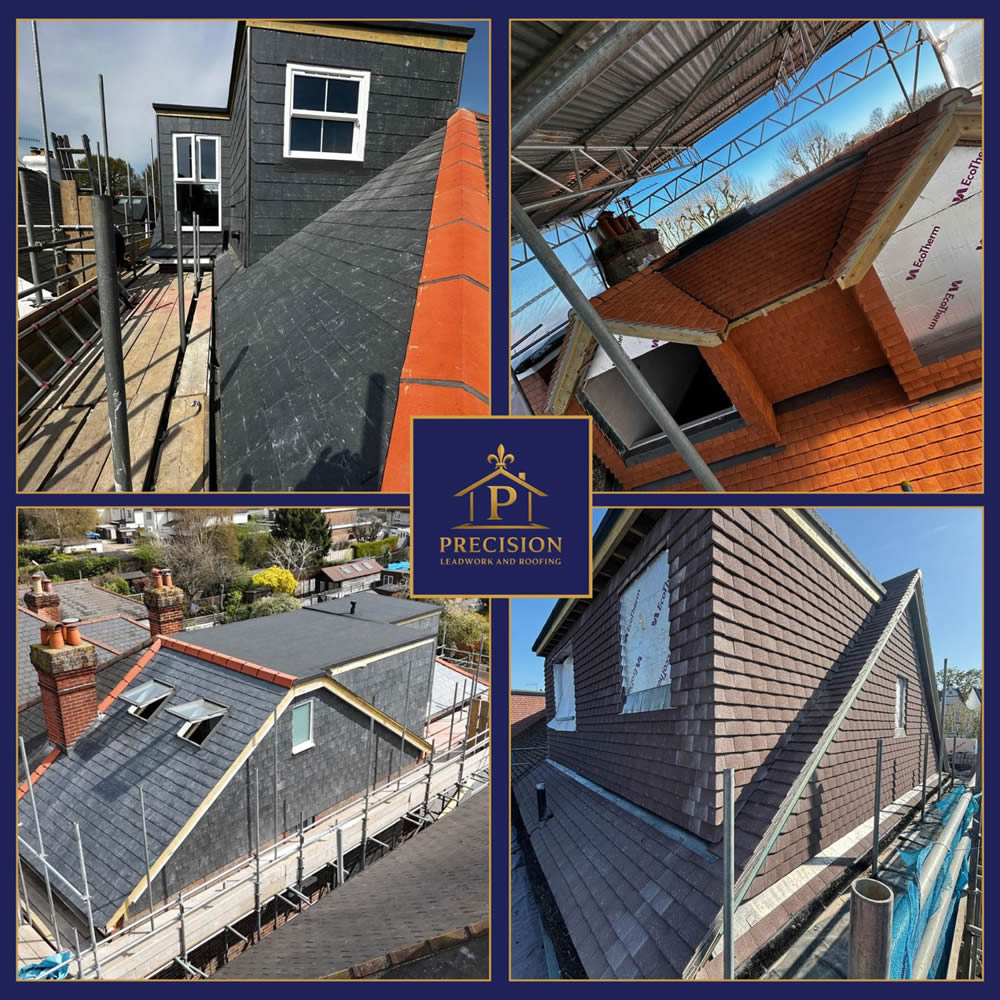
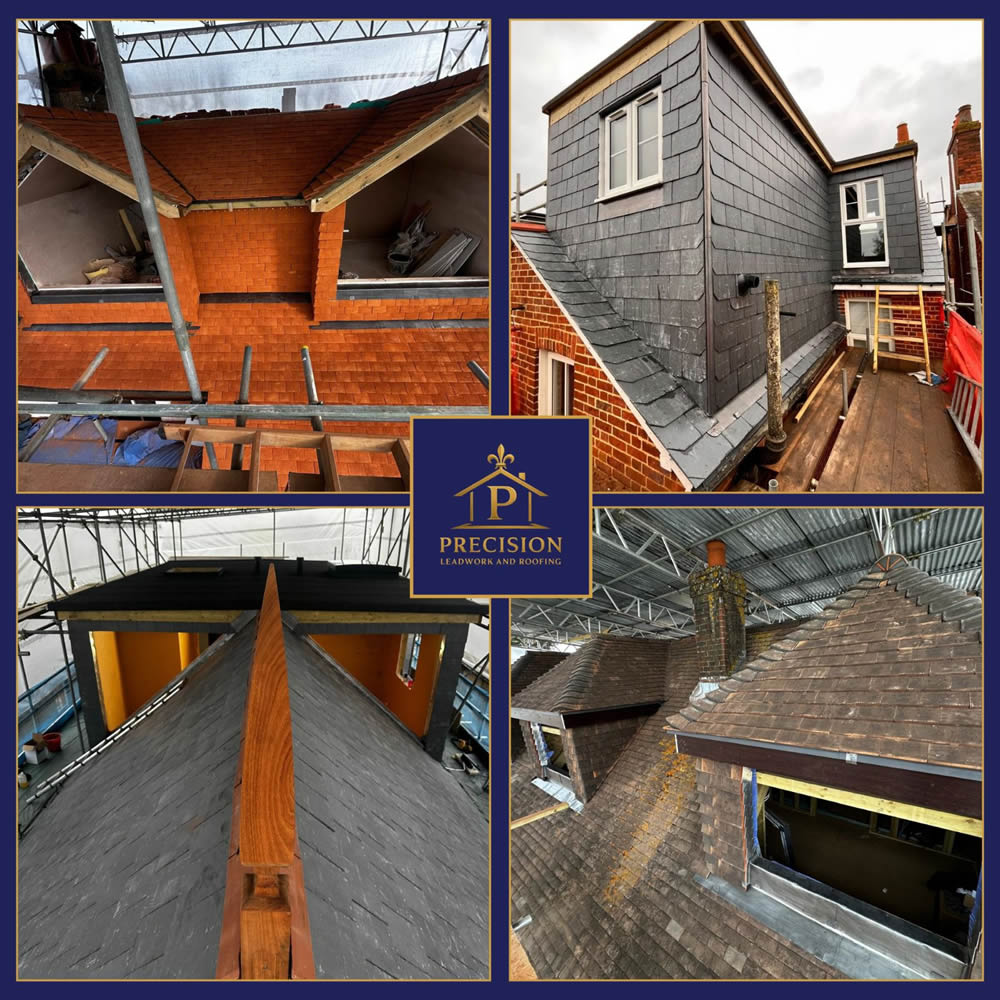
The best materials for extension roofing include slate, tiles, and metal sheets, as they offer durability and aesthetic appeal. Additionally, high-quality membranes and insulation are essential for energy efficiency and weather resistance, ensuring seamless integration with existing structures.
How long does loft conversion roofing last?
The longevity of loft conversion roofing typically ranges from 20 to 50 years, depending on the materials used and the quality of installation. Proper maintenance can further extend its lifespan, ensuring durability and performance.
What permits are needed for roofing extensions?
The permits needed for roofing extensions typically include planning permission and building regulations approval. It's essential to check with your local council to ensure compliance with all requirements before starting your project.
How to choose a roofing contractor for extensions?
Choosing a roofing contractor for extensions involves assessing their experience with similar projects, checking for relevant qualifications like NFRC accreditation, and reviewing customer testimonials to ensure quality and reliability in integrating new roofs with existing structures.
What are common issues in loft conversion roofing?
Common issues in loft conversion roofing include inadequate insulation, poor ventilation, and potential water leaks. These problems can arise from improper installation or the use of substandard materials, impacting the overall quality and longevity of the roof.
How to ensure proper drainage in extension roofs?
Ensuring proper drainage in extension roofs involves designing a slope that directs water towards gutters and downpipes, using high-quality materials, and regularly maintaining drainage systems to prevent blockages.
What insulation options are available for loft conversions?
The insulation options available for loft conversions include rigid foam boards, mineral wool, and spray foam. Each option provides effective thermal performance, ensuring comfort and energy efficiency in your newly converted space.
How does weather affect roofing for extensions?
The impact of weather on roofing for extensions is significant. Adverse conditions, such as heavy rain, snow, or extreme heat, can hinder installation, affect material performance, and lead to potential long-term damage if not properly managed.
What is the cost range for extension roofing?
The cost range for extension roofing varies significantly based on materials and design complexity. Typically, you can expect prices to start around £2,000 and can go up to £10,000 or more, depending on your specific requirements.
How to maintain a loft conversion roof?
Maintaining a loft conversion roof involves regular inspections for leaks, debris removal, and ensuring proper drainage. Additionally, check for any damaged tiles or flashing and address these promptly to preserve the roof's integrity and longevity.
What styles of roofing suit house extensions?
The styles of roofing that suit house extensions include pitched roofs, flat roofs, and hip roofs. Each style can be tailored to seamlessly integrate with the existing structure while enhancing the overall aesthetic and functionality of the extension.
How to integrate new roofs with existing structures?
Integrating new roofs with existing structures involves careful planning and execution to ensure a seamless transition. This includes matching materials, maintaining consistent drainage, and ensuring structural compatibility to preserve the aesthetic and functional integrity of the property.
What are the benefits of professional roofing services?
The benefits of professional roofing services include expert installation, high-quality materials, and compliance with safety standards, ensuring durability and seamless integration with existing structures, particularly for extensions and loft conversions.
How to assess the condition of existing roofs?
Assessing the condition of existing roofs involves inspecting for visible damage, such as missing tiles or leaks, checking the integrity of flashing, and evaluating the overall structure for signs of wear or deterioration. Regular maintenance and professional evaluations are essential for longevity.
What is the timeline for roofing extension projects?
The timeline for roofing extension projects varies based on complexity but typically ranges from two to four weeks. This includes planning, material sourcing, and installation, ensuring quality integration with your existing structure.
How to prepare a home for roofing work?
Preparing a home for roofing work involves clearing the area around the house, securing outdoor furniture, and ensuring easy access for workers and materials. Additionally, informing neighbours about the project can help mitigate any disruptions.
What safety measures are needed during installation?
The safety measures needed during installation include using proper personal protective equipment (PPE), securing scaffolding, ensuring stable ladders, and following safety protocols to prevent falls and accidents. Regular safety inspections are also essential to maintain a secure working environment.
How to handle unexpected issues during roofing?
Handling unexpected issues during roofing involves promptly assessing the problem, communicating with your roofing contractor, and implementing effective solutions. Prioritise safety and ensure that any necessary adjustments are made to maintain the integrity of the project.
What warranties are offered for roofing services?
The warranties offered for roofing services include a comprehensive guarantee on workmanship and materials, ensuring peace of mind for clients. Additionally, we provide specific warranties tailored to the type of roofing system installed, reflecting our commitment to quality and durability.
How to select roofing materials for energy efficiency?
Selecting roofing materials for energy efficiency involves choosing options with high insulation values, such as metal, slate, or tiles with reflective coatings, which help reduce heat loss and improve overall energy performance.
What design considerations are important for loft roofs?
The important design considerations for loft roofs include ensuring adequate head height, selecting appropriate materials for insulation and weatherproofing, and maintaining structural integrity to seamlessly integrate with the existing roof while complying with building regulations.
How to ensure compliance with building regulations?
Ensuring compliance with building regulations involves obtaining the necessary permits, adhering to local codes, and working with qualified professionals. Engaging experienced contractors like Precision Leadwork & Roofing Ltd. can help navigate these requirements effectively.
What are the advantages of flat roofs for extensions?
The advantages of flat roofs for extensions include their cost-effectiveness, ease of installation, and the ability to create usable outdoor space on top. They also seamlessly integrate with existing structures, making them ideal for modern extensions.
How to improve ventilation in loft conversion roofs?
Improving ventilation in loft conversion roofs is essential for maintaining a comfortable and healthy space. To achieve this, consider installing roof vents, eaves vents, or a combination of both to allow for proper airflow and moisture control.
What are the latest trends in roofing for extensions?
The latest trends in roofing for extensions focus on sustainability, with an emphasis on eco-friendly materials and green roofs, as well as innovative designs that enhance aesthetics and energy efficiency, ensuring seamless integration with existing structures.
How to choose colors and finishes for roofing?
Choosing colours and finishes for roofing involves considering the architectural style of your home, the surrounding environment, and local regulations. Opt for hues that complement existing structures while ensuring durability and weather resistance for long-lasting appeal.
What are the environmental impacts of roofing materials?
The environmental impacts of roofing materials include their energy efficiency, recyclability, and the resources required for their production. Sustainable options can reduce heat absorption and promote better energy conservation, while non-eco-friendly materials may contribute to landfill waste and higher carbon footprints.