Frequently Asked Questions
What types of flat roofing systems are available?
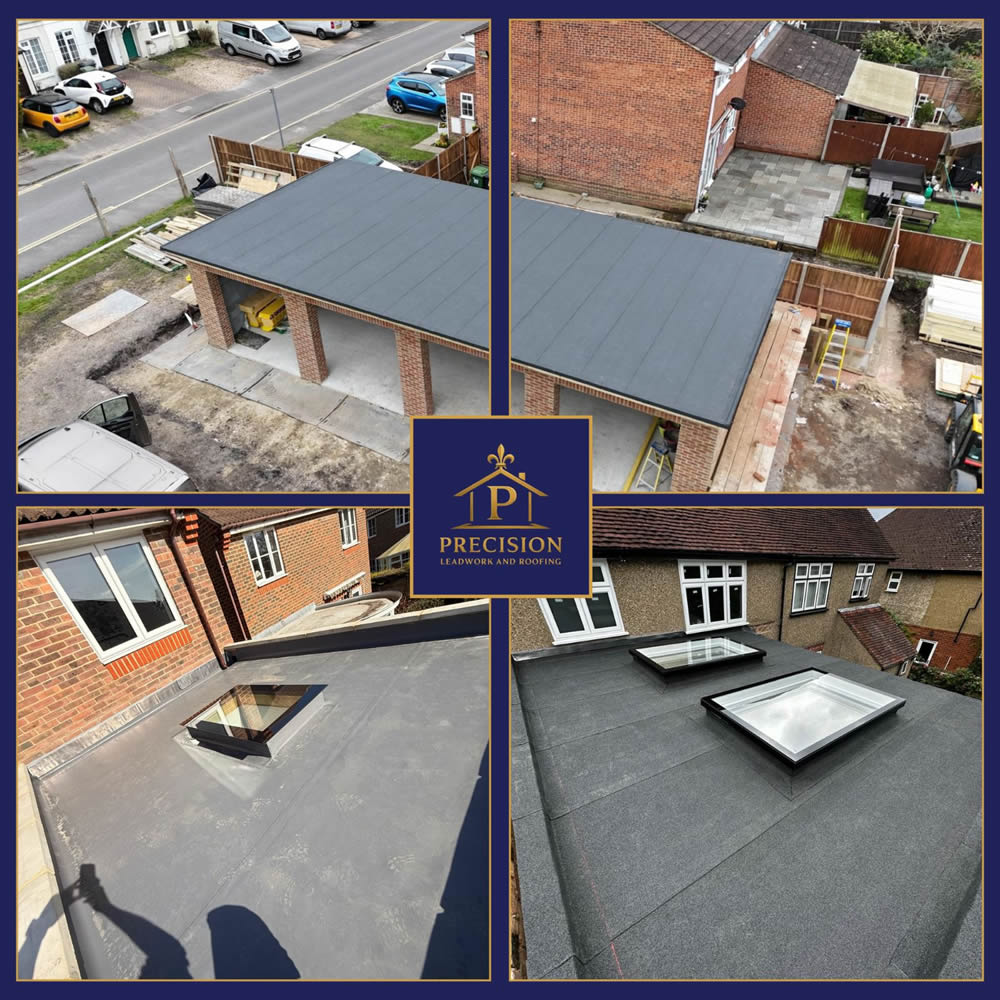
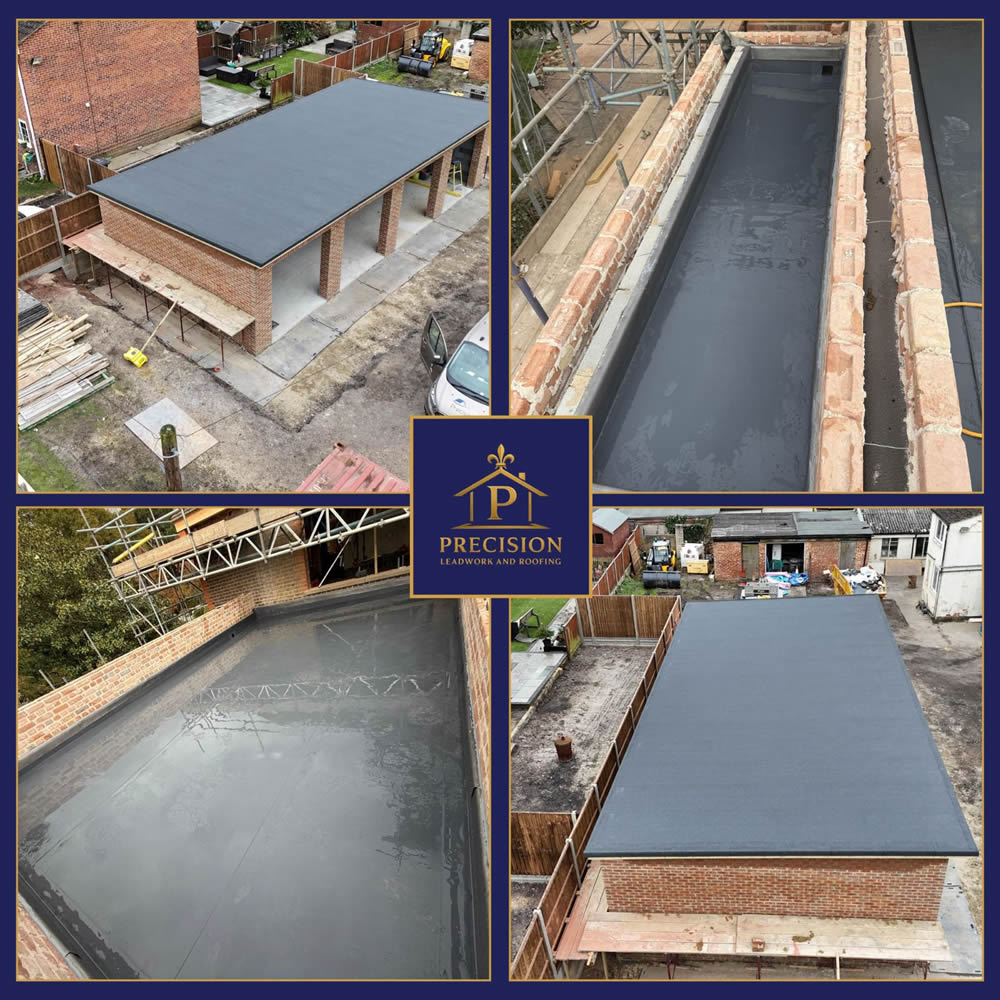
The types of flat roofing systems available include three-layer felt, single-ply membranes, and various high-performance options suitable for residential, commercial, and heritage properties, ensuring durability and quality for every project.
How is flat roof installation performed?
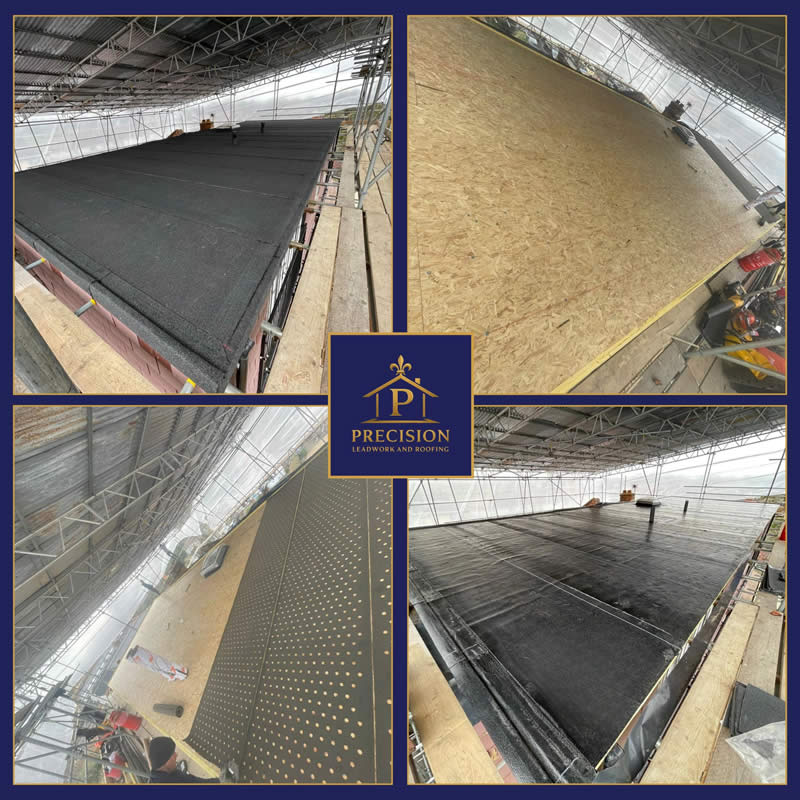
Flat roof installation is performed by assessing the structure, preparing the surface, and applying the chosen roofing material, such as three-layer felt or single-ply systems, ensuring proper sealing and drainage for durability and performance.
What services do you offer for flat roofing?
The services we offer for flat roofing include installation, repair, and maintenance of various roofing systems such as three-layer felt and single-ply options, tailored for residential, commercial, and heritage properties.
What materials are used in flat roofing?
The materials used in flat roofing include three-layer felt, single-ply membranes, and liquid-applied systems, each offering unique benefits in terms of durability, weather resistance, and suitability for various property types.
How long does flat roof installation take?
The duration of flat roof installation varies based on the project size and complexity, typically ranging from one to three days. Our team ensures efficient and high-quality workmanship to meet your needs.
What are the benefits of flat roofing systems?
The benefits of flat roofing systems include their cost-effectiveness, ease of installation, and suitability for various building types. They also provide excellent drainage, allow for additional usable space, and can support modern roofing materials for enhanced durability.
How do I maintain a flat roof?
Maintaining a flat roof involves regular inspections, clearing debris, checking for leaks, and ensuring proper drainage. Additionally, applying protective coatings can enhance durability and extend the roof's lifespan.
What is the cost of flat roof installation?
The cost of flat roof installation varies based on materials, size, and complexity. Typically, prices range from £50 to £100 per square meter, depending on the chosen roofing system and any additional services required.
Are flat roofs suitable for all climates?
Flat roofs can be suitable for various climates, but their performance largely depends on the quality of materials used and proper installation. In regions with heavy rainfall or snow, effective drainage solutions are essential to prevent water pooling and damage.
How do flat roofing systems handle drainage?
Flat roofing systems manage drainage through a combination of sloped designs and strategically placed drainage outlets. This ensures efficient water runoff, preventing pooling and potential damage to the roofing structure.
What is the lifespan of flat roofing materials?
The lifespan of flat roofing materials varies by type, typically ranging from 15 to 30 years. High-quality materials and proper installation can extend this lifespan, ensuring durability and performance for your property.
Can flat roofs be repaired easily?
Flat roofs can be repaired, but the ease of repair depends on the extent of damage and the roofing material used. Professional assessment is recommended to ensure effective and lasting solutions.
What are common issues with flat roofs?
Common issues with flat roofs include water pooling, leaks due to improper drainage, and damage from UV exposure or extreme weather. Regular maintenance and quality materials are essential to mitigate these problems and ensure longevity.
How do I choose a flat roofing contractor?
Choosing a flat roofing contractor involves assessing their experience, checking for relevant certifications like NFRC accreditation, and reviewing customer testimonials. Ensure they specialise in materials suitable for your property type, such as heritage or commercial buildings.
What is the process for flat roof inspection?
The process for flat roof inspection involves a thorough assessment of the roof's surface, identifying any signs of damage or wear, checking drainage systems, and evaluating the integrity of the roofing materials to ensure optimal performance and longevity.
Are there eco-friendly flat roofing options?
Eco-friendly flat roofing options are available and include materials such as green roofs, recycled rubber, and reflective membranes. These solutions not only reduce environmental impact but also enhance energy efficiency and promote sustainability in roofing practices.
How do I prepare for flat roof installation?
Preparing for flat roof installation involves clearing the area of debris, ensuring access for workers, and discussing specific requirements with your roofing contractor. This preparation helps facilitate a smooth and efficient installation process.
What warranties are available for flat roofing?
Warranties available for flat roofing typically include manufacturer warranties, which cover defects in materials, and workmanship warranties, which cover installation issues. These warranties can vary in duration, often ranging from 10 to 30 years, depending on the roofing system used.
How do flat roofs compare to pitched roofs?
Flat roofs and pitched roofs differ primarily in design and functionality. Flat roofs are easier to install and maintain, offering more usable space, while pitched roofs provide better water drainage and durability against severe weather conditions.
What types of insulation are used in flat roofs?
The types of insulation used in flat roofs include rigid board insulation, spray foam insulation, and mineral wool. Each option offers unique benefits in terms of thermal performance and moisture resistance, ensuring energy efficiency and longevity for your roofing system.
How can I improve flat roof energy efficiency?
Improving flat roof energy efficiency involves using high-quality insulation, selecting reflective roofing materials, and ensuring proper drainage. Regular maintenance and inspections also help identify issues that could compromise energy performance, ensuring a more sustainable roofing solution.
What is the best time for flat roof installation?
The best time for flat roof installation is during the milder months of spring and early autumn. This ensures optimal weather conditions for the materials to adhere properly and enhances the longevity of your roofing system.
How do I know if my flat roof needs replacement?
Determining if your flat roof needs replacement involves checking for signs of significant wear, such as leaks, extensive cracking, or pooling water. If these issues persist despite repairs, it may be time for a full replacement.
What are the latest trends in flat roofing?
The latest trends in flat roofing include the increasing use of eco-friendly materials, such as green roofs and solar panel integration, as well as advancements in single-ply membranes that enhance durability and energy efficiency.
How do I find flat roofing services near me?
Finding flat roofing services near you involves searching online directories, checking local business listings, or asking for recommendations from friends and family. Additionally, you can visit the websites of companies like Precision Leadwork & Roofing Ltd. for specialised services.
What safety measures are taken during installation?
The safety measures taken during installation include the use of personal protective equipment (PPE), adherence to industry safety standards, and thorough risk assessments to ensure a secure working environment for our team and clients.
How do weather conditions affect flat roofing?
Weather conditions significantly affect flat roofing by influencing its durability and performance. Extreme temperatures, heavy rainfall, and snow can lead to issues like pooling water, material degradation, and thermal expansion, necessitating regular maintenance and quality materials for longevity.
What is the difference between felt and single-ply roofing?
The difference between felt and single-ply roofing lies in their composition and installation. Felt roofing consists of multiple layers of asphalt-saturated materials, while single-ply roofing uses a single layer of synthetic membrane, offering easier installation and superior durability.
How can I enhance the durability of my flat roof?
Enhancing the durability of your flat roof involves regular maintenance, using high-quality materials like three-layer felt or single-ply systems, and ensuring proper drainage to prevent water accumulation.
What are the signs of flat roof damage?
The signs of flat roof damage include visible cracks, blisters, or bubbles in the roofing material, water pooling on the surface, and interior leaks or stains on ceilings and walls. Regular inspection can help identify these issues early.