
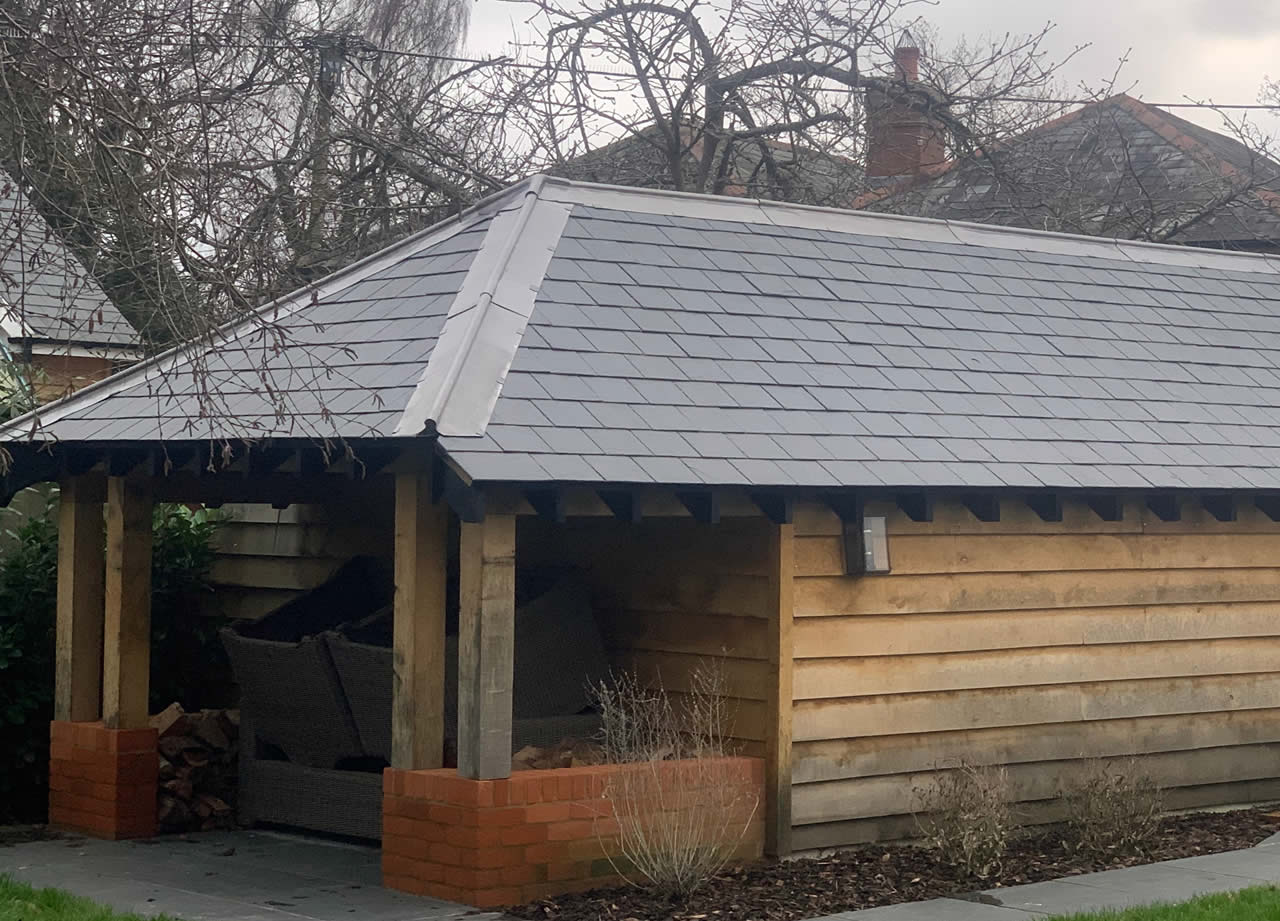
Choosing the right roofing material is one of the most significant decisions a homeowner or developer can make. For pitched roofs on period, heritage, or high-quality residential properties, the choice most often comes down to two materials with centuries of proven performance: natural slate and clay plain tile. Both are outstanding roofing materials — durable, beautiful, and capable of outlasting the building beneath them when correctly installed. But they are not interchangeable, and choosing the wrong one for your property can create planning complications, visual disharmony, or practical performance issues.
Here is a detailed comparison to help you understand which material is the better fit for your project.
Appearance and Character
Natural slate and clay plain tile look distinctively different, and that difference matters — not just aesthetically, but from a planning and conservation perspective.
Natural slate has a clean, refined appearance with a relatively flat surface and naturally varying texture and colour. Welsh slate has a distinctive blue-grey tone with subtle mineral variation; Westmorland green slate has a warmer, more characterful quality. Slate roofs have a precision and elegance that suits Georgian, Victorian, and contemporary properties alike.
Clay plain tiles have a warmer, more rustic quality — a small, handmade format with pronounced texture, depth, and colour variation that develops further as the material weathers over decades. They are strongly associated with cottage-style, Kentish, and Arts and Crafts architecture. Their characteristic undulating appearance is impossible to replicate convincingly with any other material.
If your property originally had a clay tile roof, replacing it with slate — or vice versa — may require planning consent, particularly in conservation areas or for listed buildings. Always take material-matching seriously before committing to a specification.
Lifespan and Durability
Both materials, when correctly installed and maintained, can last well over a century. Natural slate is arguably the more durable of the two in purely structural terms — high-quality Welsh slate can last 150 years or more, and reclaimed Victorian slate remains in regular use today. Clay tiles are similarly long-lived when sound, though they can be more susceptible to frost damage if water penetrates cracked or porous material.
In both cases, the longevity of the roof is more dependent on the quality of installation, the condition of the underlying structure, and the quality of leadwork and fixings than on the tile or slate material itself.
Weight and Structural Considerations
Clay plain tiles are heavier than most natural slates — an important practical consideration. Older buildings with traditional timber roof structures may require structural assessment before a clay tile roof is installed, particularly if the property previously had a lighter covering. Natural slate varies considerably in weight depending on origin and thickness: thicker Westmorland slates are substantial, while thinner Welsh or Spanish slates are considerably lighter.
Your roofing specialist should assess the existing structure before specifying a material, particularly on older buildings or where a change of covering is being considered.
Cost
Both natural slate and clay plain tile are premium roofing materials priced accordingly — significantly more than concrete alternatives. Natural slate prices vary depending on origin: Welsh and Cornish slate commands a premium, while Spanish and Brazilian slate are more affordable, though opinions on its long-term performance compared to domestic stone differ among specialists. Clay plain tiles from established manufacturers are consistently priced at the premium end of the market.
The whole-life cost comparison is more instructive than the initial installation price. A natural slate or clay tile roof that lasts 100 years, properly maintained, represents exceptional value compared to a concrete tile or synthetic alternative that may require replacement within 40 to 50 years.
Heritage and Planning Considerations
For listed buildings and properties in conservation areas, the choice of roofing material is often not entirely the homeowner’s to make. Planning authorities and conservation officers typically require like-for-like replacement—or at least a material sympathetic to the area’s character and the building’s original specification. Natural slate predominates in Victorian and Georgian urban building traditions. Clay plain tiles are characteristic of rural, cottage, and wealden vernacular architecture.
If your property is listed or within a conservation area, always seek professional guidance and consult your local planning authority before specifying a roofing material. Our team has extensive experience working with conservation officers and can advise on appropriate materials and approaches.
Availability of Matching Material for Repairs
For repair projects rather than full re-roofing, the availability of matching materials is a practical consideration. Natural slate can be sourced from reclamation yards and specialist suppliers, and matching is generally achievable with care. Clay plain tiles are also available reclaimed, but colour and size matching can be more challenging — particularly for tiles from older, discontinued manufacturers. A skilled roofer with specialist knowledge will know where to source appropriate material and will take the time to achieve a visually sympathetic result.
Summary: Which Should You Choose?
The right answer depends on your property’s original material, architectural character, location, structural condition, and planning context. As a general guide, if your property is a Victorian or Edwardian townhouse, natural slate is likely the appropriate and expected material. If it is a cottage, country house, or property with a vernacular rural character, clay plain tile is usually the right choice. For a contemporary new build or extension, both can work well, and aesthetic preference may be the deciding factor — though local planning policy may still influence the decision.
Our specialist team is happy to advise on the most appropriate material for your specific property and project. Contact us to arrange a consultation.


