
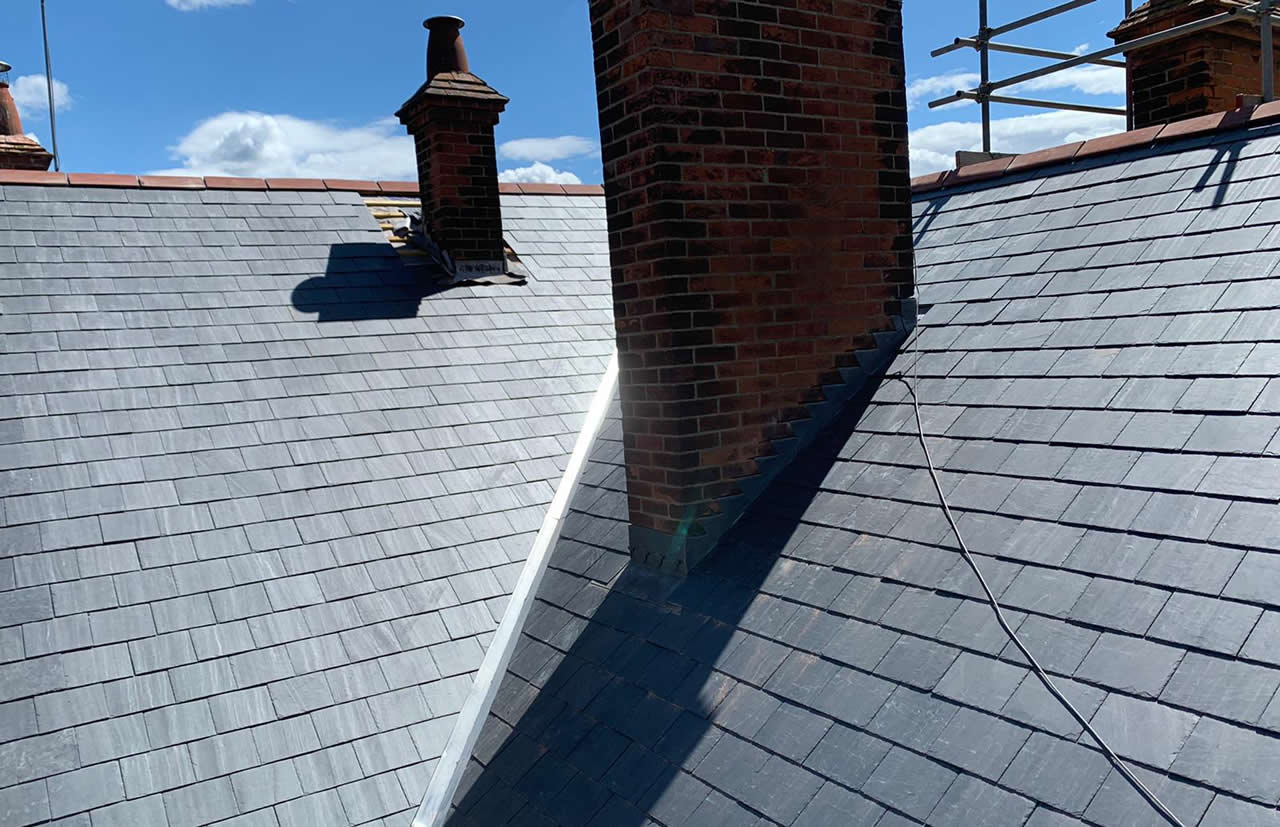
Listed buildings are protected because they are considered to be of special architectural or historic interest. That protection extends to every part of the building — including the roof. If you own a listed building or are planning to purchase one, understanding the rules that govern roofing works is essential. Getting it wrong can have serious consequences: enforcement notices, requirements to undo work entirely at your own expense, and in the most serious cases, criminal prosecution.
This guide explains what consent is required, what the requirements mean in practice, and how to approach roofing works on a listed property in a way that is both legally compliant and genuinely in the building’s best interest.
Does All Roofing Work on a Listed Building Require Consent?
The short answer is almost certainly yes, for any significant works. Listed Building Consent is required for any works that would affect the character of a listed building — and roofing works almost always fall into that category. This applies regardless of whether the works are to the exterior or interior, and regardless of listing grade.
Routine maintenance and like-for-like repairs may not always require formal consent, but it is always advisable to check with your local planning authority before proceeding. The consequences of carrying out unauthorised works are significant enough to make a preliminary enquiry more than worthwhile.
Listed Building Consent is separate from planning permission. You may need both for certain projects. If in any doubt, always seek clarification from your local planning authority before work begins — not after.
What Does ‘Like-for-Like’ Really Mean?
Conservation officers and planning authorities consistently require that roofing repairs and replacements on listed buildings use materials that match the original as closely as possible. In practice, this means several specific things.
- The same type of material — natural slate for a slate roof, clay tile for a clay tile roof. Substituting one for the other, or replacing either with a concrete alternative, will not be acceptable.
- The correct source and specification — Welsh slate is not interchangeable with Spanish slate in the eyes of many conservation officers. Origin, colour, thickness, and surface character all matter.
- Appropriate fixing methods — traditional fixing methods using copper or stainless-steel nails are typically required. Modern adhesive fixings or inappropriate mechanical methods will not satisfy heritage installation requirements.
- Correct mortars — lime mortar, not modern cement, is required on the vast majority of historic buildings. Using the wrong mortar can cause serious and lasting damage to historic masonry.
Meeting these requirements demands specialist knowledge and established relationships with appropriate material suppliers. A general roofing contractor unfamiliar with heritage requirements may inadvertently specify inappropriate materials — creating a compliance problem and potentially causing damage that is difficult and expensive to reverse.
Working with Conservation Officers
For any significant roofing works on a listed building, you are likely to need to engage with your local authority’s conservation officer. Conservation officers specialise in historic buildings and ensure that works preserve and enhance the property’s character.
This does not need to be a difficult process. In our experience, conservation officers are generally constructive and practically minded — their aim is to protect the building, not obstruct the owner. Approaching discussions with a knowledgeable specialist alongside you and a clear, well-considered specification makes the process considerably more straightforward. We have extensive experience working with conservation officers and can prepare or contribute to applications, specifications, and supporting documents as required.
Why Your Choice of Contractor Matters More on a Listed Building
The stakes for a listed building are higher than for a conventional property. Materials are more expensive, errors are harder to correct, the regulatory framework is more demanding, and the building itself has an importance that extends beyond your ownership. In this context, the choice of roofing contractor is not simply a matter of competitive pricing — it is about specialist expertise, a demonstrable track record, and professional accountability.
Before appointing any contractor for works on a listed property, you should verify the following.
- Experience — ask specifically about their experience with listed buildings and heritage properties, and request examples of comparable completed projects
- Materials knowledge — they should discuss appropriate materials, lead codes, mortar specifications, and fixing methods with authority and without hesitation
- NFRC membership — an important indicator of professional standards and accountability
- Insurance — public liability insurance is essential; professional indemnity coverage may also be relevant for certain projects
Common Roofing Issues on Listed Buildings
Listed buildings tend to be older, and older buildings present roofing challenges that require specialist attention. The most common issues we encounter include failing or deteriorated leadwork around chimneys, valleys, and parapet gutters; lime mortar decay in ridge bedding and chimney pointing; slipped, cracked, or pegged slates requiring like-for-like replacement with appropriate material; deteriorated timber structures beneath the roof covering requiring careful assessment and appropriate repair; and inadequate or failed ventilation creating persistent condensation and moisture problems within the roof void. All of these are manageable — but they require the right approach, the right materials, and genuine specialist expertise.
Our Heritage Roofing Service
At Precision Leadwork & Roofing Service Limited, we specialise in roofing and leadwork for listed buildings, conservation area properties, and period structures of all types. We combine traditional craft skills with a genuine respect for the buildings we work on — and the knowledge and professionalism to navigate the planning and regulatory requirements that listed buildings demand.
If you own a listed building and are considering roofing works, or have recently identified a problem that requires attention, we would be pleased to discuss your requirements and provide expert guidance.


