
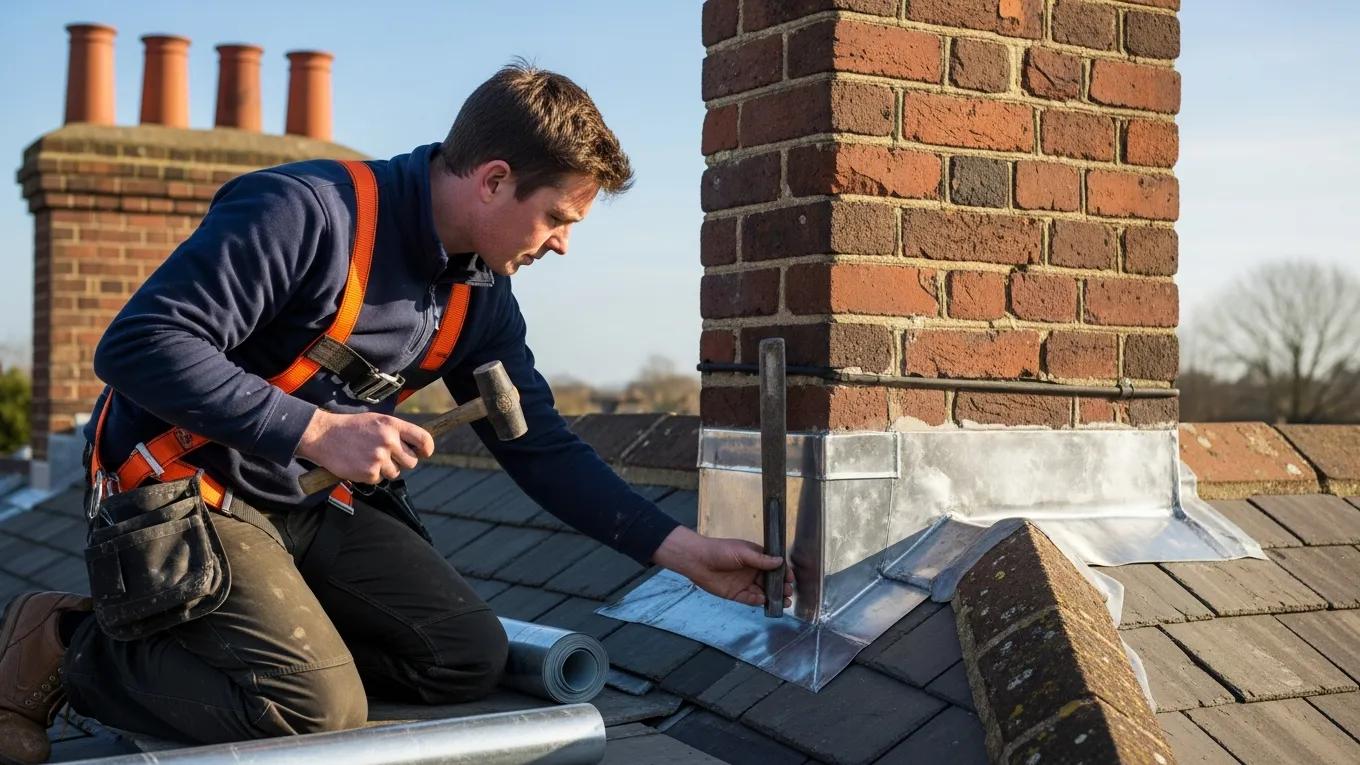
Leadwork Roofing: Essential Maintenance Tips to Protect Your Roof for the Long Term
By Chris Brown, Precision Leadwork & Roofing Service Limited
Looking after leadwork roofing is key to keeping your property watertight and extending the roof’s lifespan. Lead roofs are prized for their durability and traditional look, but they require targeted care to prevent corrosion, leaks, and premature failure. This guide covers practical inspection routines, safe cleaning methods and when to call in professionals. Follow these recommendations, and you’ll reduce repair costs, maintain a watertight roof and remain compliant with current rules in Surrey and Hampshire.
Essential Care Strategies for Long-Lasting Leadwork Roofing
Routine inspections are the best way to catch issues before they become expensive. A careful check of all lead flashing and junctions reveals early signs of wear, so you can deal with them quickly and prevent water ingress. Establish a regular inspection habit and know what to look for. We include flashing checks on every roof maintenance visit in Farnham.
What Should You Look For When Checking Lead Flashing?

During an inspection, watch for these warning signs:
- Cracks or Splits: Breaks in the lead can allow water to seep through, quickly causing leaks.
- Loose or Dislodged Flashing: Flashing that has lifted or pulled away creates gaps for water to enter.
- White Deposits (Efflorescence): Powdery deposits on the surface can signal persistent moisture and early corrosion.
Spotting these problems early gives you the chance to repair them before they worsen.
How Often Should You Inspect Leadwork for Best Results?
Inspect leadwork at least twice a year — typically in spring and autumn — and after any severe weather. Use these guidelines:
- General Properties: A six-monthly inspection helps identify developing issues in time.
- Older Buildings: Check every three to four months; ageing roofs often need closer attention.
- After Storms: Inspect after high winds, heavy rain or any storm that might have damaged the roof.
Consistent inspections are the foundation of effective leadwork maintenance.
Best Practices for Cleaning Lead Sheet Roofing and Preventing Corrosion
Cleaning and corrosion prevention play a big role in keeping lead sheets performing well and looking good. Use gentle, appropriate methods that preserve the metal without accelerating wear.
Which Cleaning Methods Protect Lead Flashing?
Safe cleaning techniques include:
- Gentle Washing: Use a soft brush and a mild, pH-neutral detergent to clear dirt and debris without scratching the lead.
- Avoid Harsh Chemicals: Do not use acidic or abrasive cleaners, as they can damage the lead or accelerate corrosion.
- Annual Maintenance: Arrange a basic clean at least once a year to prevent buildup and help you spot early corrosion.
These simple steps help preserve the integrity and appearance of lead flashing.
How Can Preventive Maintenance Extend a Lead Roof’s Lifespan?
Proactive care makes a significant difference. Adopt these measures:
- Regular Inspections: As already noted, inspections catch problems before they escalate.
- Timely Repairs: Fix minor issues promptly to avoid more extensive, costly work later.
- Protective Treatments: Where appropriate, a compatible protective finish can slow environmental wear and reduce the risk of corrosion.
Taken together, these actions help you get many more years from your leadwork. Book a roofer in Godalming for an annual inspection before winter.
Putting roof deterioration and material choices in context underscores why preventive maintenance matters.
Roof Deterioration & Preventive Maintenance
Consider roof construction, the common patterns of deterioration and the materials available for preventive care and repair.
Analysis of: Industrial Roof Construction and Maintenance, 1959
Repair or Replace: How to Decide for Lead Flashing
Knowing when to repair and when to replace flashing keeps your roof reliable and your costs sensible. Base the choice on the extent of damage and the flashing’s condition.
- Repair: Small cracks, minor lifting or local defects can often be repaired to extend service life.
- Replace: Widespread corrosion, deep thinning, or repeated failures usually mean replacement is the most reliable solution.
A professional assessment will give the best recommendation based on the condition and expected service life.
Common Leadwork Problems and Practical Fixes from the Experts
Lead roofs can suffer a handful of recurring issues. Here are the typical problems and effective responses:
- Corrosion: Caused by prolonged exposure; combat with careful cleaning, suitable coatings and timely repairs.
- Leaks: Often follow damaged flashing; remedies include resealing, patching or replacing affected areas.
- Ponding Water: Standing water can accelerate failure — ensure drainage is functioning and roof falls are adequate.
Addressing these problems quickly prevents secondary damage and keeps repair bills down.
How Professional Lead Flashing Repair Delivers Lasting Quality
Using experienced contractors for leadwork ensures both workmanship and compliance. Professionals follow accepted practices that protect your roof over time.
- Correct Lead Codes: Qualified teams ensure repairs meet local building requirements and recognised standards.
- Allowance for Thermal Movement: Proper detailing accounts for expansion and contraction, helping to avoid future seams and failures.
Hiring professionals reduces the chance of repeat issues and preserves the value of your roof.
Leadwork Roofing Regulations in Surrey and Hampshire — What You Need to Know
Follow the relevant rules to avoid compliance problems and protect historic assets. Local guidance affects how leadwork can be installed or repaired.
- Building Regulations: Repairs and replacements must meet current local building codes to ensure structural safety and waterproofing.
- Heritage and Conservation: Properties in conservation areas or listed buildings may be subject to tighter controls on materials and methods.
Check local planning and conservation advice before making changes, and use accredited contractors for work in sensitive locations.
Why Choose Precision Roofing Ltd for Your Leadwork Maintenance?
Selecting the right contractor makes all the difference. Precision Roofing Ltd specialises in leadwork across Surrey and Hampshire, offering hands-on experience and accredited workmanship.
What Accredited Experience Does Precision Roofing Ltd Bring?
Precision Roofing Ltd is a specialist roofing contractor serving Surrey and Hampshire, with a focus on leadwork maintenance. Our team holds accreditation from the National Federation of Roofing Contractors (NFRC), so clients can expect workmanship that meets industry standards.
How Do Free Surveys and Custom Quotes Help Clients?
We provide free surveys and tailored quotations so you can understand the scope of work and likely costs before committing. This transparent approach helps you plan and choose the right solution for your budget and needs.
With Precision Roofing Ltd, you get experienced professionals who prioritise quality, safety and customer satisfaction.
Conclusion
Regular inspections, gentle cleaning and timely repairs are the best ways to protect your leadwork and avoid costly damage. Follow the guidance above and involve accredited professionals when needed to ensure long-term performance.
If you’re ready to safeguard your roof, explore our maintenance services. Precision Roofing Ltd will provide the expertise and clarity you need for reliable leadwork care.


