
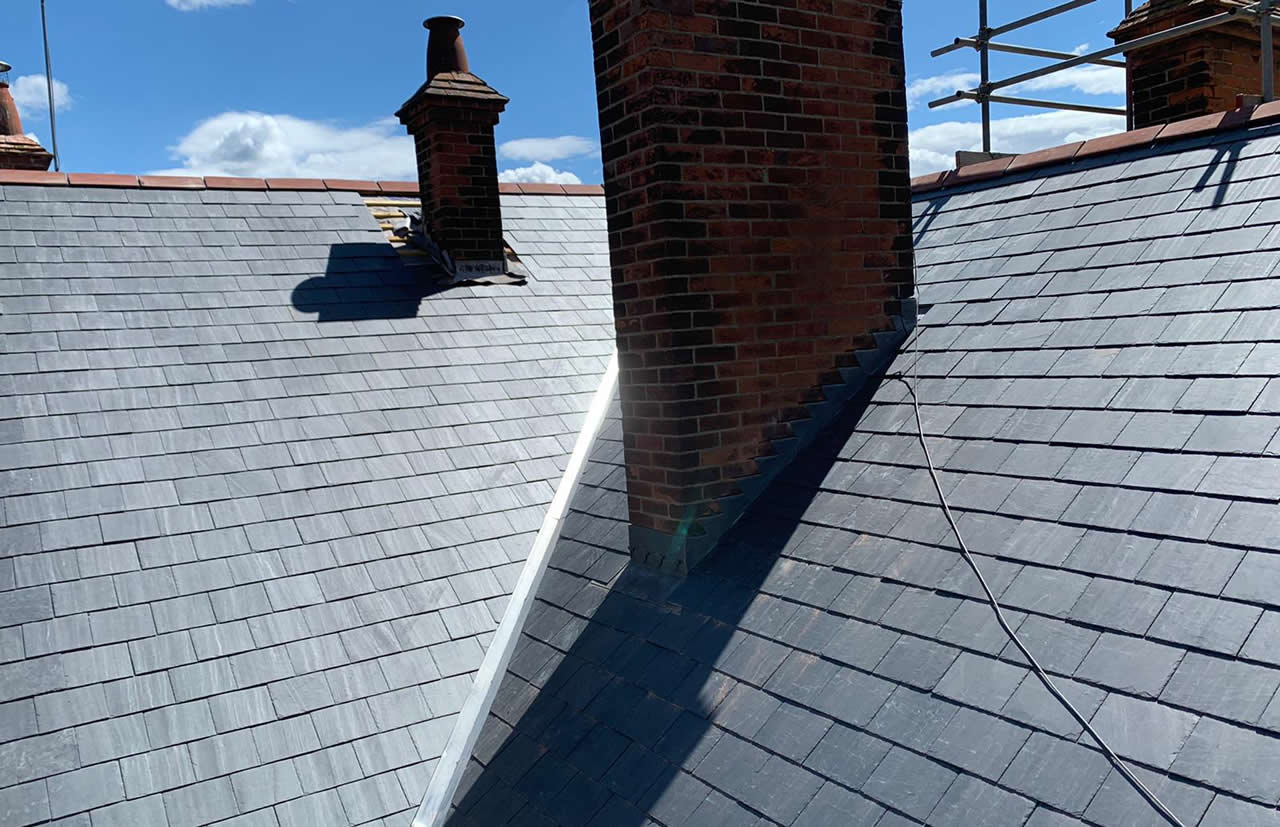
Chimney Leadwork Repair in Hampshire: Signs, Costs & Expert Guide
By Chris Brown, Precision Leadwork & Roofing Service Limited
Chimney leadwork repairs keep your home watertight and structurally sound. Lead flashing, the metal used around chimney stacks to prevent water from entering, will deteriorate over time due to weather, movement, and normal wear. This practical guide explains how to spot the early warning signs, what repair costs you can expect, and what qualified specialists in Hampshire will do.
Ignoring small leaks or cracked flashing can quickly lead to more expensive damage, so recognising problems early helps you protect your property and your wallet.
Comprehensive Guide on Chimney Leadwork Repairs in Hampshire
Keeping your chimney watertight is essential to avoid damp, rot, and structural issues. Lead flashing directs water away from joints and vulnerable roof penetrations, but exposure to rain, wind and temperature changes can cause it to crack, corrode or come loose. Timely repairs prevent water from entering the roof space and help maintain your home’s value. Knowing the common problems and how they develop makes it easier to take sensible, proactive action. Chimney leadwork is one of the most common jobs our roofer in Basingstoke is called out for.
Signs Indicating the Need for Repairs
Spotting the signs that leadwork needs attention will help you act before the damage worsens. Watch for these common indicators:
- Visible Damage: Cracks, gaps or splits in the lead flashing — any visible breaks can let water through.
- Water Ingress: Damp patches or staining on ceilings and walls near the chimney often point to a leak.
- Efflorescence: White, powdery deposits on brickwork can mean moisture is being drawn through from a failing flash.
Catching these problems early reduces the chance of costly repairs further down the line.
Associated Costs
Knowing the likely costs helps with budgeting and planning. The table below summarises common services and typical price ranges:
| Service | Cost Range | Description |
|---|---|---|
| Lead Flashing Replacement | £200 – £600 | Costs vary based on the size and complexity of the flashing installation. |
| Repointing | £300 – £1,000 | Dependent on the extent of damage and materials used for brickwork repairs. |
| Full Chimney Stack Rebuilds | Over £1,500 | A significant investment is often required for extensive structural damage. |
| Chimney Pot Installation | £100 – £300 | Costs vary depending on the type and installation complexity. |
This overview gives a realistic picture of the potential expenses so you can make informed decisions about repairs or maintenance.
What to Expect from Expert Services
A professional repair starts with a clear inspection and a written quote. A qualified roofer will assess the chimney, check the condition of the flashing, identify any underlying issues, and recommend a course of action. The quotation should list the work required, the materials, and the timescales. Depending on the problem, professionals can offer patch repairs, full flashing replacement or more extensive brickwork repairs, and they will advise which option offers the best long-term value.
How to Identify Leaks, Cracks, and Corrosion in Lead Flashing
Regularly checking your lead flashing will help you find problems early. Use these straightforward checks:
- Visual Inspection Techniques: Look from ground level with binoculars, or safely from the loft, for splits, buckling, or displaced lead.
- Water Stains: Discolouration, peeling paint, or damp patches inside the property near the chimney are common indicators of leaks.
- Importance of Professional Inspection: If you notice signs of damage or are unsure, have a qualified contractor conduct a full inspection and provide a report.
Routine vigilance and a professional check when needed will keep leadwork in good condition.
Why Early Detection of Lead Flashing Damage Is Crucial for Property Protection
Finding lead flashing problems early protects your home from water ingress, mould, wood rot and structural decay. Small repairs are almost always cheaper and less disruptive than major restoration works. Delaying action can turn a simple flashing repair into a full chimney rebuild. Prioritising early detection and prompt repair helps preserve your property and avoids escalating costs. The same applies across roof repairs in Fleet and Church Crookham.
How Much Does Chimney Lead Flashing Repair Cost in Hampshire?
Repair costs in Hampshire will depend on the job size, materials and labour. Local factors such as access to the roof, scaffold requirements and the contractor’s experience will also influence the final price. Use the cost ranges above as a starting point and obtain quotes to get a clearer picture of your property.
What Factors Influence the Price of Lead Flashing Repairs?
Several elements affect the final cost of lead flashing repairs:
- Extent of Damage: Larger or hidden issues need more time and materials, so costs rise.
- Materials Used: Standard lead, specialist alloys or additional fixing materials will change the price.
- Labour Costs: Skilled tradespeople charge more, but their work typically lasts longer and reduces the chance of repeat repairs.
Knowing these factors helps you compare quotes sensibly and choose the best value option.
How to Obtain Accurate Cost Estimates and Free Surveys from Specialists
Follow these steps to get reliable estimates:
- Researching Providers: Check local contractors with leadwork experience, read reviews and ask for references.
- Contacting for Surveys: Arrange a free or low-cost survey so the contractor can assess access, scaffold needs and the full scope of work.
- Receiving Detailed Reports: Ask for an itemised report and a quote that explains the recommended works, materials, and timescales.
Well-documented surveys make it easier to compare prices and avoid surprises during the job.
What Is the Professional Process for Chimney Leadwork Repair and Installation?
A professional repair follows a clear workflow: initial inspection, method selection, safe access and preparation, quality installation and a final check. Contractors should follow building regulations and health & safety requirements, and use materials appropriate for the property. This approach ensures work is durable and compliant with local standards.
Step-by-Step Overview of Lead Flashing Installation and Replacement
Typical steps for lead flashing installation include:
- Execution of Work: Carefully remove damaged flashing, prepare the abutment and fit new lead to current standards.
- Quality Assurance Measures: Use industry-standard materials and fixings to ensure durability and weatherproofing.
- Post-Installation Review: Conduct a final inspection and provide a handover report to ensure you know what was done and why.
Following these stages helps ensure the repair is watertight and built to last.
How Accredited Roofing Contractors Ensure Quality and Compliance
Accredited contractors follow recognised standards and best practices. They use certified materials, document their work and often offer guarantees. Choosing an accredited roofer reduces risk and helps ensure the repair meets regulatory and insurance requirements.
How to Choose a Reliable Roof Leadwork Specialist in Hampshire?
Selecting the right specialist matters. Use these guidelines when choosing a contractor:
- Credentials to Look For: Check for relevant certification, public liability insurance and a clear written contract.
- Experience Considerations: Prefer contractors with a track record in chimney leadwork and examples of similar jobs.
- Importance of NFRC Membership: NFRC membership signals adherence to industry standards and ongoing professional development.
Following these checks helps you appoint a competent team that will complete the job safely and reliably. If you are looking for a local leadwork specialist, check out our local coverage area here.
What Credentials and Experience Should You Look for in a Leadwork Contractor?
When assessing contractors, consider these points:
- Relevant Certifications: Ensure the team has the training and qualifications to work with lead and roofing systems.
- Experience with Heritage Properties: If your property is older, ask for experience with heritage or listed buildings that require specialised techniques.
- Client Testimonials: Look for positive reviews and before-and-after photos to confirm consistent quality.
These indicators will help you choose a contractor suited to your property’s needs.
Why NFRC Membership and Heritage Project Expertise Matter
NFRC membership shows a contractor is committed to good practice and industry standards. Expertise in heritage projects matters because old buildings often need traditional techniques and sympathetic repairs. Choosing contractors with both credentials and heritage experience gives you confidence that the work will be correct and durable for these particular challenges.
This specialist knowledge is especially important for older structures, where the right approach to lead flashing can prevent long-term damage.
Heritage Building Lead Flashing Repair for Roof Leakages
Roof leakages were restored by providing proper slopes and by replacing the corroded members using lead flashing.
A review on repair and rehabilitation of heritage buildings, 2016
How Can You Maintain Chimney Lead Flashing for Long-Term Durability?
Good maintenance extends the life of lead flashing and reduces the chance of sudden failure. Try these practical steps:
- Regular Inspections: Book routine checks to spot wear early, especially after severe weather.
- Cleaning Techniques: Keep gutters and surrounding areas clear so water does not pool around the flashing.
- Signs of Wear to Watch For: Look for cracks, splits, corrosion or movement of the lead.
Consistent maintenance reduces the risk of unexpected leaks and keeps repairs manageable.
What are the best practices for Chimney Lead Flashing Maintenance?
To maintain lead flashing effectively, follow these recommendations:
- Routine Checks: Conduct visual checks and arrange professional inspections at appropriate intervals.
- Cleaning Methods: Use gentle cleaning and remove debris carefully so the lead is not damaged.
- Professional Maintenance Recommendations: Schedule periodic maintenance with a qualified contractor to address any minor defects before they worsen.
These practices help protect your investment and prolong the flashing’s lifespan.
When Is Roof Lead Flashing Replacement Necessary?
Replacement becomes necessary when repair is no longer cost-effective or safe. Key indicators include:
- Signs of Irreparable Damage: Extensive corrosion, deep splits or significant displacement usually require replacement.
- Cost-Benefit Analysis of Replacement: Compare repair costs with the cost of a new installation that may last many more years.
- Long-Term Implications of Neglect: Leaving damaged flashing can lead to structural issues and far higher repair bills later.
Recognising when replacement is the better long-term solution will protect the property and reduce the need for repeat works.
Conclusion
Maintaining chimney leadwork is essential to prevent water damage and protect your home’s structure. By understanding the warning signs, likely costs and what to expect from professionals, you can make sensible decisions and avoid costly surprises. Working with qualified contractors ensures repairs are done properly and in accordance with current standards.
If you have concerns about your chimney flashing, contact a trusted Hampshire specialist to arrange an inspection and a clear, written quote.


