
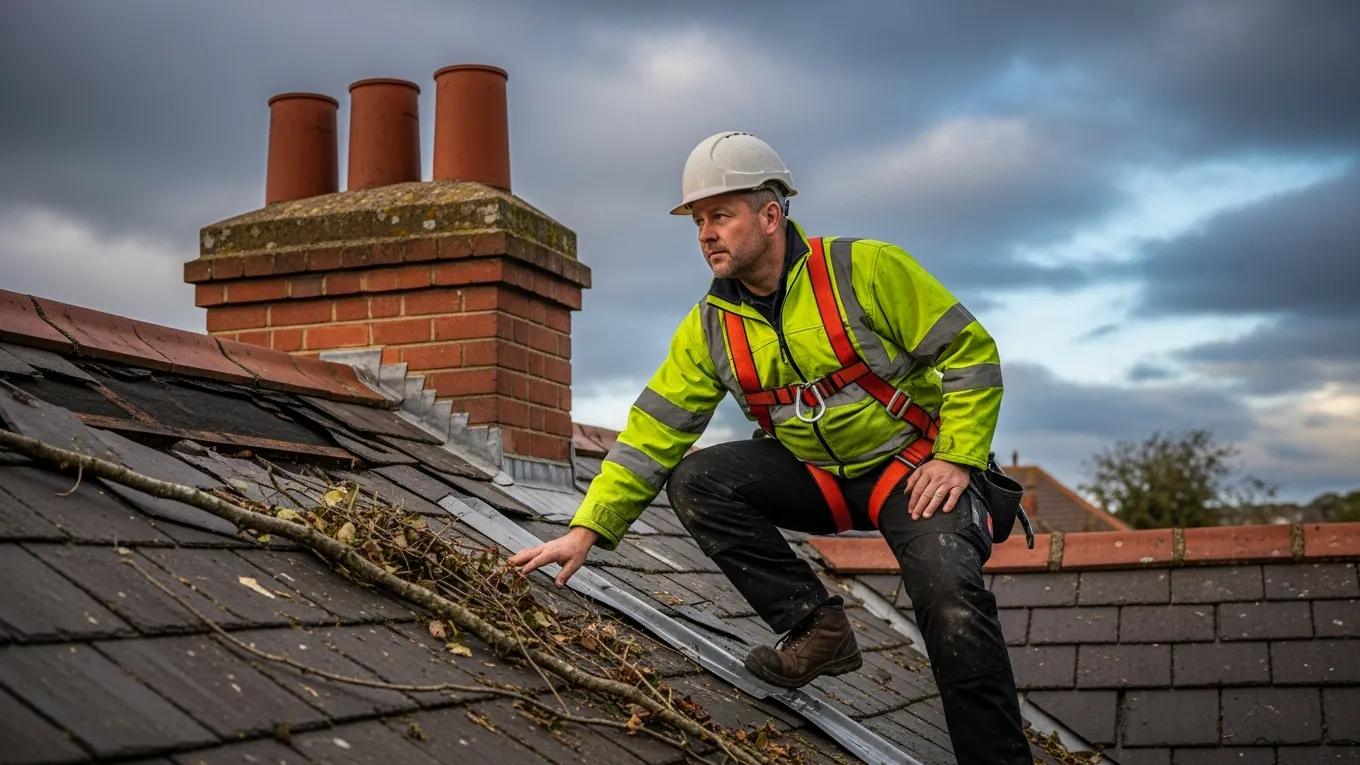
Trusted Emergency Roof Repairs – Fast, Dependable Service Across Surrey & Hampshire
By Chris Brown, Precision Leadwork & Roofing Service Limited
When a roof fails, speed and competence matter. Homeowners across Surrey and Hampshire regularly need immediate, reliable repairs to stop water ingress and prevent costly secondary damage. This guide explains what emergency roofing looks like in practice, response times you can expect, how our free survey and quotation work, the repair techniques we use, and what to expect when making an insurance claim. Read on to make clear, confident decisions that safeguard your home and investment.
How quickly can you expect our 24-hour emergency response?
In a roof emergency, prompt action limits further damage. Reputable emergency roofers aim to attend within 24 hours of your call. That quick response helps prevent leaks, moisture, and structural issues that worsen over time. Response time will depend on the contractor’s current workload, the severity of the damage, and when you call, but our priority is to get someone on site as soon as it’s safe and practical.
What qualifies an urgent roof repair contractor?
An urgent roof repair contractor stands out by meeting clear professional standards, enabling them to act quickly and effectively. Key qualifications include:
- Licensing and Insurance: Proper licences and insurance protect both you and the contractor if anything goes wrong.
- Experience: Teams with a solid track record of emergency work handle unforeseen problems with confidence.
- Customer Service Standards: Good contractors keep you informed, explain options clearly and follow through on promises.
These standards help ensure prompt, professional service when you need it most.
How does a rapid response limit further roof damage?
Arriving quickly lets a team assess and stabilise the situation before it worsens. Typical immediate steps include:
- Assessment: A focused inspection to identify the cause and extent of damage.
- Immediate Repairs: Temporary measures, such as tarps or sealed patches, to prevent water from entering.
- Long-Term Solutions: Planning permanent repairs that fix the underlying problem, not just the symptoms.
Swift action reduces the risk of mould, rot, and structural deterioration and keeps overall repair costs down. Our fastest response times are for roof repairs in Woking, usually within four hours.
24/7 Emergency Roof Repair Services in Surrey & Hampshire
A free survey and transparent quote help you understand the work needed before any commitment. The usual steps are:
- Initial Contact: Call or email to arrange a survey at a convenient time.
- On-Site Assessment: A qualified technician inspects the roof, looking for leaks, missing tiles, and structural issues.
- Quotation: You receive a clear, itemised quote that sets out repairs, materials and costs.
This approach gives you clarity and control so you can choose the best roofing services for your property.
How does the free survey identify storm damage and roof leaks?
During a survey, we use a mix of practical techniques to find visible and hidden problems:
- Visual Inspections: Checking for missing or damaged tiles, displaced flashings and sagging areas.
- Moisture Detection: Specialist tools locate leaks that aren’t obvious from the loft or ground.
- Thermal Imaging: Where appropriate, thermal cameras reveal cold or wet spots that indicate leaks.
A thorough survey means fewer surprises and repairs that address the real issues.
What information is included in our transparent quotation?
A clear quotation should answer your key questions. We typically include:
- Breakdown of Costs: Separate line items for labour, materials and any additional work.
- Scope of Work: A plain-English description of what will be repaired or replaced.
- Timeline: An estimated schedule for when work will start and finish.
This level of detail helps you compare options and budget with confidence.
How do we restore a roof damaged by a storm using proven storm-repair techniques?
Effective storm repairs combine correct diagnosis, the right materials and experienced craftsmanship. Our standard approach includes:
- Assessment and Identification: Establishing the full extent of damage and the appropriate repair method.
- Material Selection: Choosing durable tiles, flashings and fixings suited to the building and exposure.
- Craftsmanship: Skilled installation and finishing to ensure the repair lasts and looks right for the property.
These steps restore the fabric of your roof and strengthen it against future weather events.
Which materials and workmanship ensure long-term roof durability?
The right materials and quality fittings make repairs resilient. Key components include:
- Roof Tiles: Weatherproof, well-fitted tiles that match the roof’s pitch and style.
- Lead Flashing: Correctly detailed flashing around chimneys, valleys and penetrations to prevent leaks.
- Sealants: Reliable sealants and appropriate fixings protect joints and vulnerable areas.
Investing in quality materials and experienced roofers reduces the need for repeat work.
How do we respect heritage and architectural integrity in repairs?
When working on listed or period properties, we take care to retain character while making necessary repairs:
- Use of Traditional Materials: Where required, we specify materials that match the original build to maintain authenticity.
- Engagement with Conservation Officers: We liaise with local authorities to ensure work meets conservation requirements.
- Minimising Disruption: Repairs are planned to protect the original fabric and reduce disturbance to the building and occupants.
This approach protects both the structure and its historic value. In Berkshire, we handle roof repairs in Wokingham and Crowthorne.
Can we help with insurance claims for emergency roof repairs?
Insurance claims add a layer of paperwork at a stressful time. Professional support makes the process more straightforward. Key services we provide include:
- Documentation: We help collect the photos, reports, and estimate documents that insurers require.
- Guidance: We explain likely coverage and the steps involved so you know what to expect.
- Professional Support: Our experience working with insurers can speed up assessments and improve the chance of a successful claim.
Good documentation and expert guidance reduce stress and help secure the settlement you’re entitled to. Our roofers in Guildford cover emergencies across the borough, day or night.
Research underscores the need for accurate damage assessment; for example, distinguishing hail impacts from other forms of wear is important when making a claim.
Understanding Hail Damage to Roofing Systems
This study examines how different roofing materials withstand hail impact and compares damage costs for roofs versus walls using radar-estimated hail sizes and insurance claims data.
Evaluating hail damage using property insurance claims data, 2015
What documentation supports a successful insurance claim?
To support a claim, gather the right evidence. Essential items include:
- Photos of Damage: Clear images showing the affected areas from several angles.
- Repair Estimates: Detailed quotes from qualified contractors explaining required works.
- Policy Information: A copy of your insurance policy to confirm cover and excesses.
Having these documents ready speeds up the insurer’s decision and reduces back-and-forth.
How do we guide clients through the claims process?
- Initial Consultation: We review the damage and discuss possible coverage and next steps.
- Documentation Assistance: We help you prepare and organise the evidence insurers request.
- Ongoing Support: We provide updates and liaise with insurers or loss adjusters as needed.
This practical support keeps you informed and in control throughout the claim process.
What do our Surrey and Hampshire clients say about our emergency service?
Client feedback shows that what matters most in an emergency is speed, clarity and quality. Common themes include:
- Satisfaction Ratings: Many customers praise the prompt response and reliable repairs.
- Reliability: Clients frequently note that teams arrived on time and completed the work quickly.
- Expertise: Positive comments often note professional advice and neat, long-lasting repairs.
These comments reflect our commitment to responsive, high-quality service.
Which testimonials highlight our reliability and workmanship?
Customers often single out quick attendance and durable repairs. Examples include:
“The team were with us within hours and secured the roof before the next storm.”
“Their attention to detail and the quality of their workmanship gave us real confidence.”
“From the first phone call to the finished repairs we felt supported the whole way through.”
Such feedback shows the value of choosing an experienced emergency roofer.
How have we delivered value on residential and commercial jobs?
Our work delivers clear benefits across property types:
- Residential Projects: Homeowners appreciate swift response and thorough repairs that restore safety and comfort.
- Commercial Projects: Businesses benefit from fast, organised repairs that minimise downtime and disruption.
- Client Satisfaction: Repeat positive feedback demonstrates consistent care and workmanship.
These outcomes reflect a focus on practical, long-term solutions for every client.
Common questions about emergency roof repairs
Knowing what to expect helps homeowners act quickly. Two frequent questions are:
How much does emergency roof repair typically cost?
Costs vary with the scale of the problem and the materials needed. Factors include:
- Extent of Damage: Larger or structural damage increases the price.
- Materials Used: Higher-quality or specialist materials raise costs.
- Labour Costs: Rates vary with contractor experience and location.
As a rough guide, emergency repairs typically range from £200 to £1,500 depending on the job — but a survey and quote will give a precise figure for your situation.
What are the best practices for temporary roof solutions during emergencies?
While waiting for permanent repairs, take sensible temporary steps to limit damage:
- Tarping: Securely covering damaged areas with a tarp prevents water ingress until repairs can be made.
- Sealing Leaks: Suitable waterproof sealants can be a short-term fix for minor leaks.
- Contacting Professionals: Always call a qualified roofer to assess the damage and advise on safe temporary measures.
These measures reduce immediate risk and buy time for a proper repair. A roofer in Camberley can be on site the same day for storm damage.
Conclusion
Choosing a trusted emergency roofer gives you fast, effective protection when your home is at risk. Qualified contractors provide clear quotations, reliable repairs and practical help with insurance where needed. Acting quickly minimises damage and cost, and gives you peace of mind.
Contact us today to arrange an urgent survey and find the best solution for your roof.


