
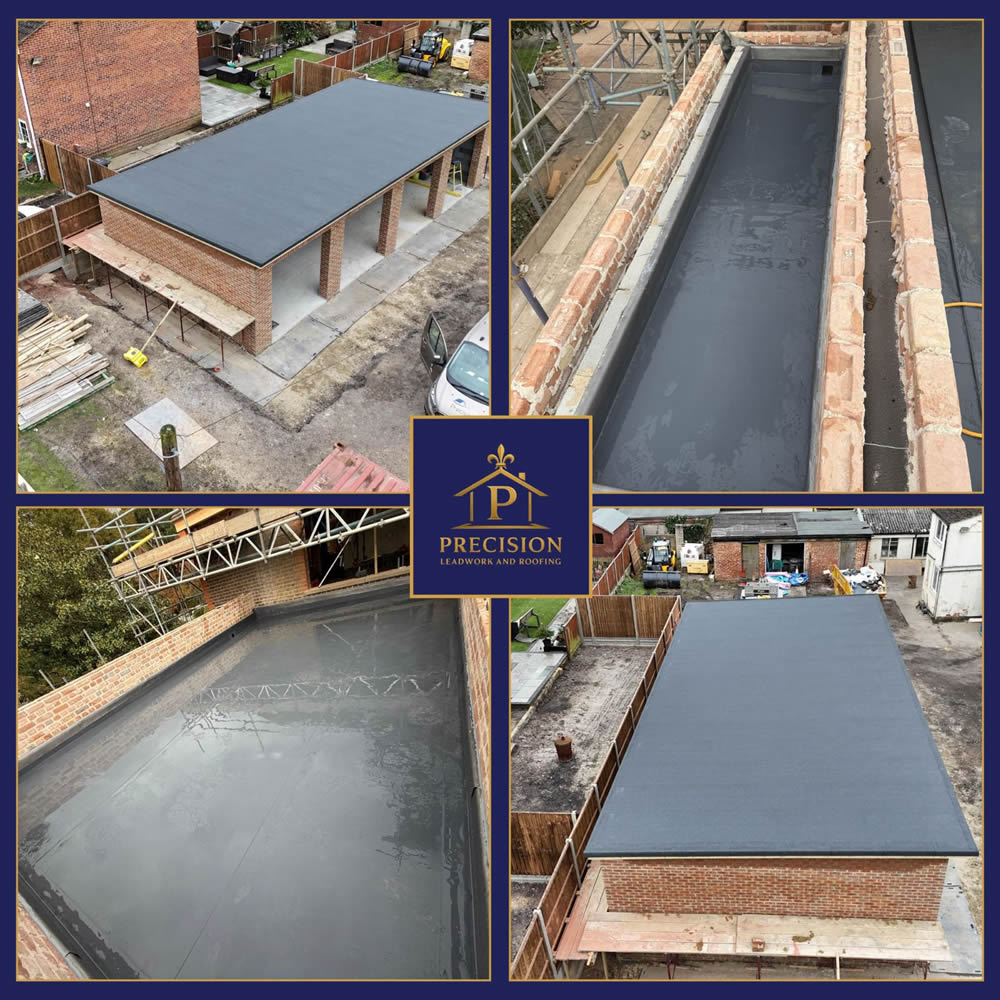
Understanding GRP Fibreglass Flat Roofing: A Hampshire Guide
By Chris Brown, Precision Leadwork & Roofing Service Limited
GRP (Glass Reinforced Plastic) flat roofing has become a go-to option for homeowners and businesses across Hampshire thanks to its proven durability and excellent waterproofing. This guide walks you through what GRP is, why it’s popular, how it’s installed, and what maintenance looks like so you can make an informed decision. Traditional roof coverings can struggle with standing water and age-related damage; GRP offers a robust alternative that reduces the risk of leaks and delivers long-term value.
Below, we cover the benefits, the installation process, upkeep tips, and real client experience with Precision Roofing Ltd, a Hampshire-based roofing specialist.
Comprehensive Guide on GRP (Fibreglass) Roofing
GRP roofing, often called fibreglass roofing, is a modern system that blends strength with flexibility. It’s built from fibreglass matting bonded with resin to form a continuous, waterproof membrane. That seamless finish is especially useful on flat roofs, where pooling water can cause big problems over time. GRP’s smooth surface removes joints that commonly leak, and its light weight makes installation quicker with minimal structural impact. Most of our fibreglass work is flat roof repairs in Fleet and the surrounding estates.
Durability
Durability is one of the main reasons property owners choose GRP. Properly installed GRP roofs withstand heavy rain, snow and UV exposure and typically last between 20 and 40 years. The material resists cracking and warping, so it continues to protect the structure beneath for decades. Compared with some traditional coverings, GRP also better tolerates foot traffic, helping maintain its performance over time.
Research further highlights the strengths of fibreglass in construction, noting its structural benefits and resistance to weathering and corrosion.
Fiberglass in Construction: Advantages, Durability & Performance
This study reviews how fibreglass materials are used in modern construction and compares them to conventional options like steel and PVC. It summarises the material’s structural, economic and environmental benefits, showing fibreglass offers high tensile strength (up to 1000 MPa), a low density (roughly 20–25% of steel’s weight) and strong resistance to corrosion and aggressive environments.
FIBERGLASS IN CONSTRUCTION: KEY ASPECTS AND ADVANTAGES, 2026
Waterproof Solutions
One of GRP’s biggest selling points is its waterproofing. During installation, the resin and matting create a continuous watertight surface that prevents water from getting through. This is crucial for flat roofs, where water can otherwise collect and find weak points. Correct drainage design is also important — GRP systems generally need a minimum fall of 1:80 to encourage runoff. Keeping outlets and gutters clear as part of routine maintenance ensures the waterproofing system performs as intended and enhances the roof’s waterproofing.
Installation Process
Installing a GRP roof involves a series of careful steps to make sure the system performs correctly.
- Preparation: The existing surface is cleaned and any damaged areas repaired to give a sound base.
- Base Layer Application: A primer and initial resin layer are applied to form a stable foundation for the matting.
- Fibreglass Matting: Fibreglass matting is laid into the resin and then saturated to create a solid, bonded membrane.
- Curing Process: The installation is left to cure, allowing the resin to harden and form a durable, waterproof finish.
What Are the Key Steps in the Fibreglass Roof Installation Process?
The main stages in fitting a fibreglass roof are:
- Preparation of the Existing Roof: Make sure the roof is clean, dry, and that any rot or defects are repaired before work begins.
- Application of Fibreglass Matting: The matting is positioned and fully saturated with resin to form a continuous sheet.
- Curing and Finishing: Allowing the system to cure properly and attending to finishing details such as trims and outlets ensure full strength and waterproofing.
How Do Professional Flat Roof Repair Services Ensure Durability?
Professional repair teams use several proven techniques to extend a GRP roof’s life:
- Thorough Inspections: Regular checks spot small problems before they become large.
- Planned Maintenance: Scheduled upkeep keeps the membrane and drainage in good working order.
- Expert Craftsmanship: Experienced installers use the right materials and methods so repairs and installations last.
Maintenance Considerations
Keeping a GRP flat roof in good condition is straightforward but important. Regular visual inspections help you spot wear, blocked outlets or minor defects early. Promptly addressing small repairs prevents larger failures, and periodic cleaning removes debris that can trap moisture and accelerate deterioration.
What Are the Best Practices for Flat Roof Waterproofing in Hampshire?
To keep GRP waterproofing effective, follow these best practices:
- Importance of Proper Installation: Use qualified installers to ensure joints, upstands and outlets are correctly formed for a watertight finish.
- Regular Maintenance Checks: Book routine inspections to clear debris and check seals and drainage.
- Addressing Minor Issues Promptly: Fixing chips, punctures, or worn areas early prevents them from turning into leaks.
We also fit flat roofs in Basingstoke, particularly on 1960s and 70s housing.
How Can Regular Maintenance Extend the Lifespan of Fibreglass Roofs?
A consistent maintenance routine helps fibreglass roofs reach or exceed their expected lifespan. Key actions include:
- Routine Inspections: Spotting and monitoring wear early prevents surprises.
- Cleaning and Debris Removal: Keeping the surface and outlets clear reduces standing water and moss buildup.
- Prompt Repairs: Repairing damage quickly keeps the membrane continuous and waterproof.
What Do Hampshire Clients Say About Our GRP Flat Roofing Services?
Client feedback gives a clear picture of workmanship and service. Homeowners and businesses in Hampshire commonly commend Precision Roofing Ltd for our practical approach, reliable installations and tidy site practices.
Which Case Studies Demonstrate Our Expertise in Fibreglass Roofing?
Our case studies highlight projects where GRP solved common flat-roof issues, from leak repairs to full replacements, showing how we deliver durable, long-lasting outcomes that meet each client’s needs.
How Do Client Testimonials Reflect Our Commitment to Quality?
Testimonials regularly mention dependable communication, clean workmanship and the lasting performance of the finished roof, reflecting our focus on quality and customer satisfaction.
What Are GRP Flat Roofing Systems and Their Benefits in Hampshire?
GRP flat roofing systems bring several clear advantages for Hampshire properties, such as:
- Durability and Longevity: With correct installation and care, GRP roofs can last 20–40 years.
- Waterproofing Features: The seamless membrane prevents leaks and protects the building below.
- Cost-Effectiveness: Although installation can cost more upfront, reduced repair bills and a long service life make GRP economical over time.
Our roofers in Aldershot handle garage and extension roofs across the town.
How Does Fibreglass Roofing Provide Long-Term Waterproof Protection?
Fibreglass roofing remains waterproof because the resin-saturated matting forms a continuous barrier with no laps or joints through which water can penetrate. Correct detailing around outlets, upstands and drips ensures that the whole system channels water away reliably.
Why Choose GRP Roofing for Residential and Commercial Properties?
GRP suits both houses and commercial buildings because it combines practical benefits with flexible application:
- Durability and Cost-Effectiveness: GRP resists weathering and reduces the need for frequent repairs.
- Weather Resistance: It performs well under strong sun and heavy rain alike.
- Aesthetic Flexibility: GRP can be finished to suit a wide range of rooflines and architectural styles, keeping the property looking its best.
How Is GRP Flat Roofing Installed and Repaired by Expert Installers in Hampshire?
Experienced installers in Hampshire follow controlled procedures and quality checks to make sure both new GRP roofs and repairs meet industry standards. That attention to detail helps each project deliver a durable, watertight result. For roof repairs in Yateley and Blackwater, fibreglass is usually the most cost-effective option.
How Do Professional Flat Roof Repair Services Ensure Durability?
Experts keep roofs durable by using consistent, industry-backed practices:
- Thorough Inspections: Detecting issues early through regular assessments.
- Planned Maintenance: Implementing scheduled checks and upkeep to avoid surprises.
- Expert Craftsmanship: Employing trained teams and suitable materials for reliable outcomes.
What Are the Costs and Quotation Process for Fibreglass Roofs in Hampshire?
Costs for GRP roofing vary depending on the roof’s size, condition, and the complexity of the job. Understanding the components of a quote helps you compare options and budget accurately.
How Is the Cost of a Fibreglass Roof Determined for Installation and Replacement?
Key factors that influence pricing include:
- Material Costs: The grade of fibreglass and resin used affects the final price.
- Labour Costs: Skilled installation is essential and will be reflected in labour charges.
- Additional Factors: Any preparatory repairs or bespoke details add to the scope and cost.
What Does a Free Survey and Detailed Quotation Include?
Precision Roofing Ltd’s free survey and quote typically cover:
- Survey Process Overview: A full inspection of the roof to identify condition, defects and required preparatory work.
- What Is Included in the Quotation: A clear breakdown of materials, labour and any additional works so you know what to expect.
- Importance of Detailed Quotations: Transparent quotes set realistic expectations and help avoid unexpected costs later.
How to Maintain and Waterproof Your GRP Flat Roof for Long-Term Performance?
Good maintenance and attention to waterproofing details are the best ways to make sure your GRP roof performs for years. Regular inspections, clearing debris and fixing small issues promptly all contribute to long-term success.
What Are the Best Practices for Flat Roof Waterproofing in Hampshire?
To maintain effective waterproofing on GRP roofs, consider the following best practices:
- Importance of Proper Installation: Make sure your installer follows the manufacturer’s guidelines and industry best practices for a watertight result.
- Regular Maintenance Checks: Schedule routine inspections to check seals, outlets and overall condition.
- Addressing Minor Issues Promptly: Small repairs are quick and inexpensive compared with major refurbishment.
How Can Regular Maintenance Extend the Lifespan of Fibreglass Roofs?
Regular maintenance extends lifespan by preventing small problems from growing. Keep to a programme of inspections, clean gutters and outlets, and repair any damage as soon as it appears.
- Routine Inspections: Spot emerging faults early to avoid larger repairs.
- Cleaning and Debris Removal: Clear leaves and sediment that can retain moisture.
- Prompt Repairs: Repairing chips or worn areas keeps the membrane intact and waterproof.
Conclusion
GRP flat roofing delivers strong, long-lasting waterproof protection and is a sensible choice for many Hampshire properties. With correct installation and regular care, it offers reliable performance and good value over time. If you’d like to explore GRP for your home or business, Precision Roofing Ltd can provide an expert survey, honest advice and a clear quotation to help you choose the right solution.

